
 Pin It
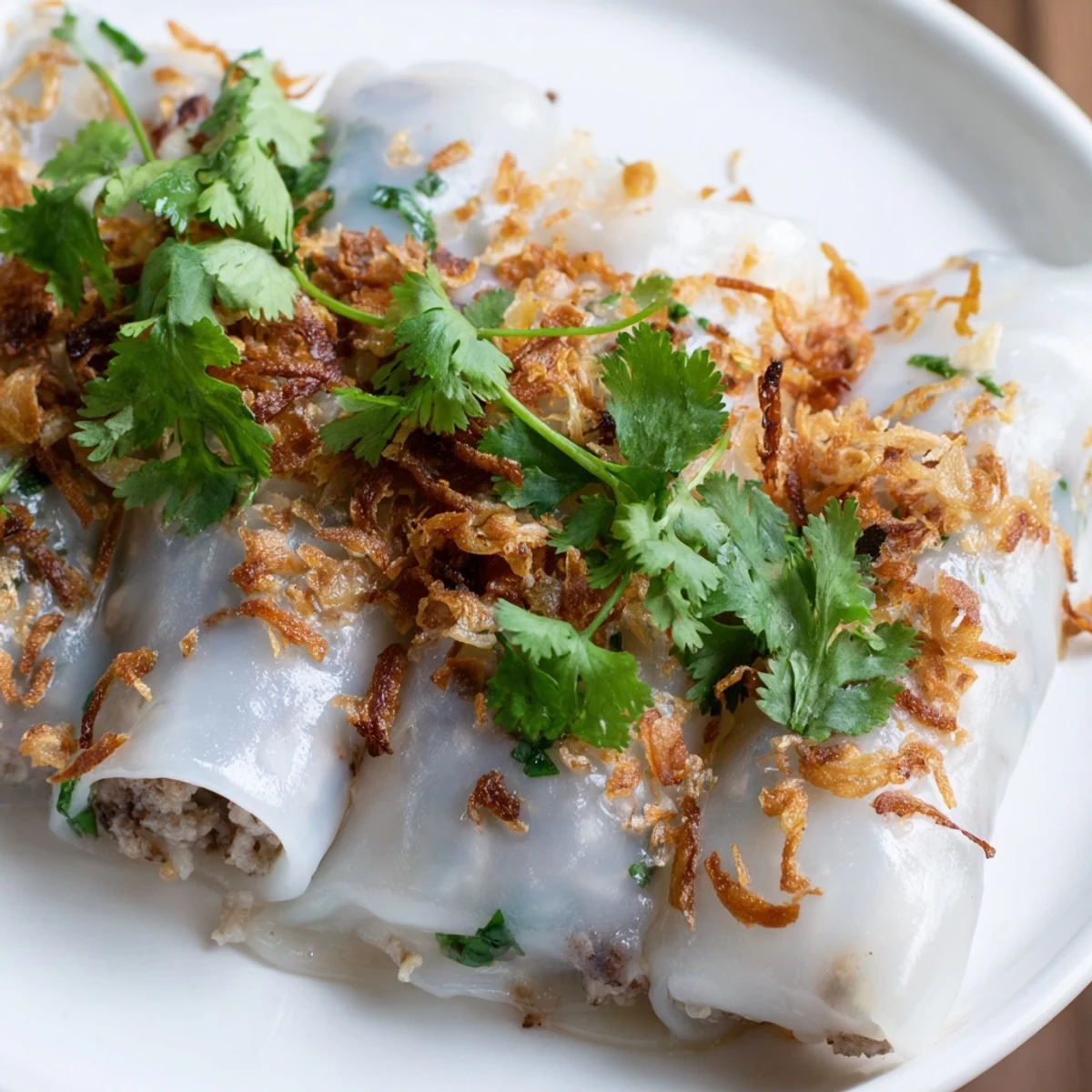
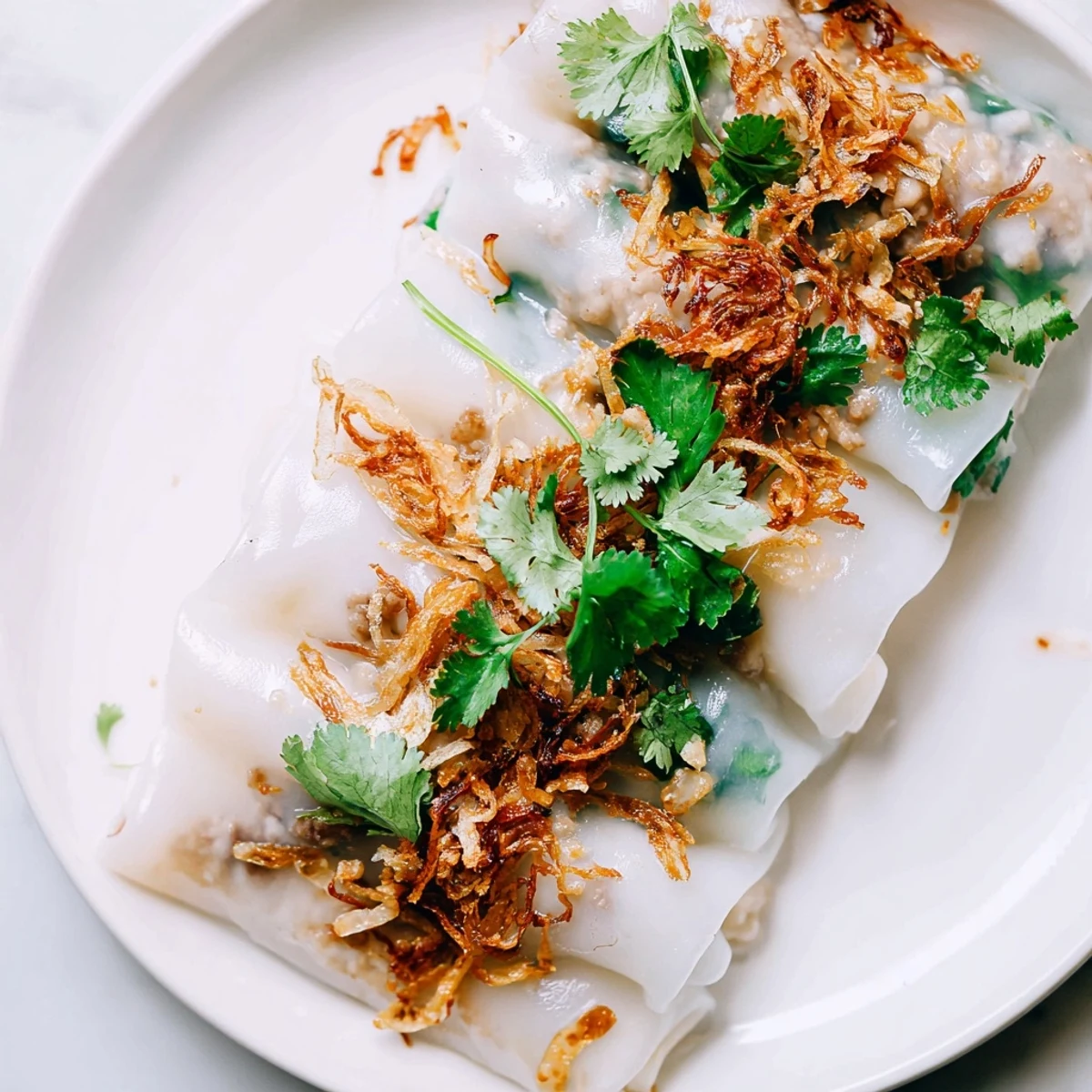
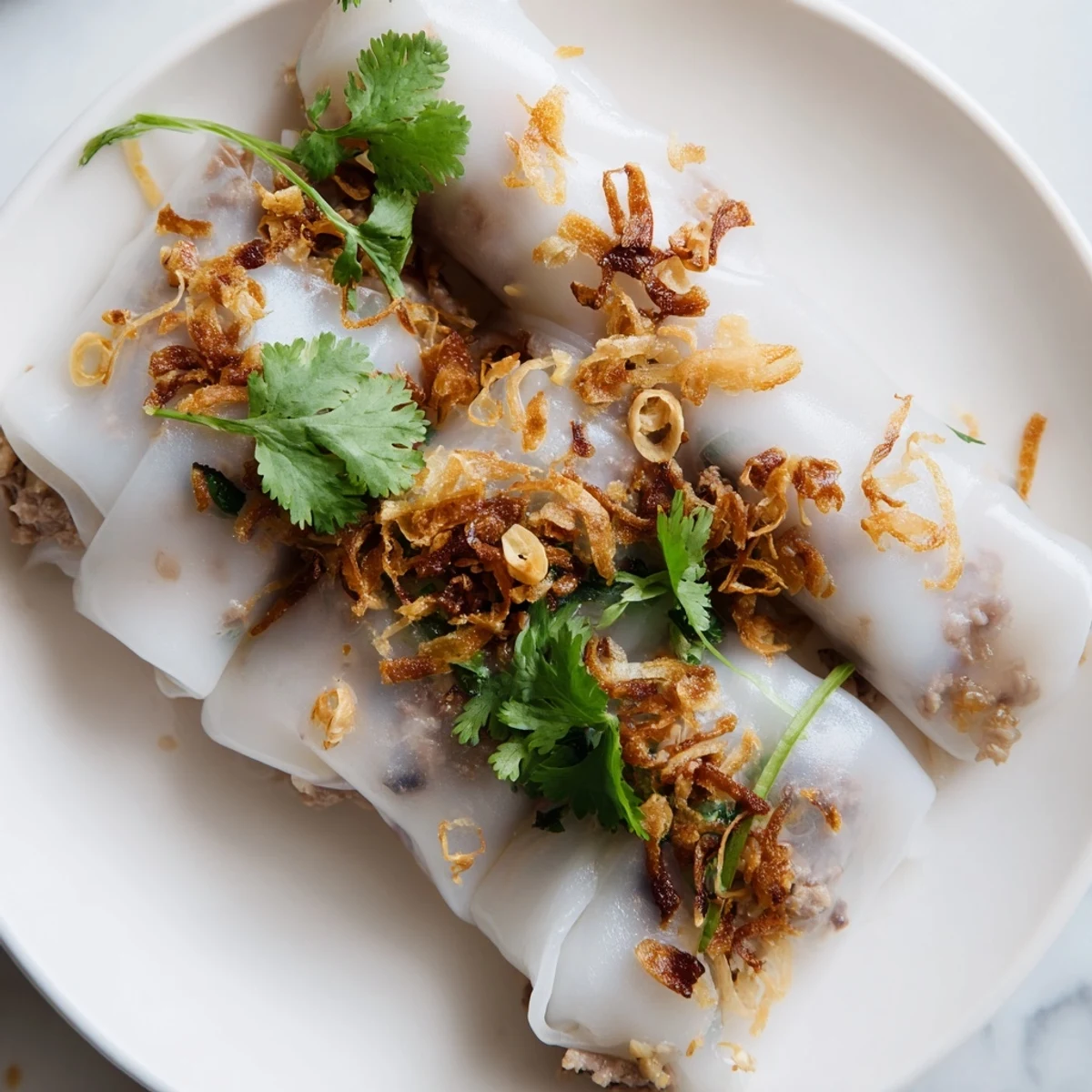
 Experience the art of Vietnamese cuisine with these delicate steamed rice rolls. Each translucent wrapper envelopes a savory filling of ground pork, wood ear mushrooms, and aromatic seasonings. The process involves creating a smooth rice batter, steaming thin sheets on a cloth-covered surface, and rolling them with the warm filling. The result is silky, tender rolls that shine when topped with crispy fried shallots, fresh cilantro, bean sprouts, and served alongside homemade nuoc cham. Perfect for breakfast or as a light meal, this gluten-friendly dish showcases the balance of textures and flavors central to Vietnamese cooking.
The first time I ate Banh Cuon was at a tiny street stall in Hanoi at 6 AM, watching the vendor work with such graceful precision. Those translucent rice rolls arrived steaming hot, glistening in the morning light, and one bite revealed this incredible contrast between the delicate wrapper and the savory, earthy filling inside. I spent weeks trying to replicate that texture in my own kitchen, burning several batches and learning that patience matters more than technique.
I made these for my mothers birthday brunch last spring, and she watched me steam each sheet with such fascination. The kitchen filled with this wonderful aroma of shallots and mushrooms, and when everyone took that first bite, the table went completely silent. Now every time I make them, my sister messages me asking if theres extra batter, and that feels like the best compliment.
Ingredients
- Rice flour: This forms the delicate base of your rolls, and Ive found that letting the batter rest makes all the difference in texture
- Tapioca starch: Gives the rice sheets that slight stretch and translucency that makes them feel restaurant-quality
- Ground pork: Use pork with a bit of fat content because lean meat dries out during the filling cooking process
- Wood ear mushrooms: Soak these until theyre soft and chop them finely for that satisfying crunch in every bite
- Fried shallots: These add the most incredible crispy, aromatic element that elevates the entire dish
- Fresh herbs: Cilantro brings brightness, but Thai basil works beautifully if you want to switch things up
- Fish sauce: The backbone of Vietnamese cooking, and quality really shows here so choose a good brand
Instructions
- Prepare the rice batter:
- Whisk everything until completely smooth, then let it rest for at least 20 minutes so the starches can hydrate properly.
- Make the savory filling:
- Cook the onions and garlic until they release their fragrance, then brown the pork before adding the mushrooms and seasonings.
- Mix the dipping sauce:
- Combine all ingredients and taste as you go, adjusting the sweet, salty, and sour balance until it sings.
- Steam each rice sheet:
- Work quickly and confidently, swirling the thin batter layer and covering immediately to create those delicate, translucent wrappers.
- Roll and fill immediately:
- The sheets are easiest to work with while still warm and pliable, so fill them right after steaming each one.
- Generously garnish:
- Pile on the herbs, bean sprouts, cucumber, and those glorious fried shallots because the texture contrast is everything.
 Pin It
 These have become my go-to dish when I want to show someone I care without making it seem like an occasion. Theres something so intimate about hand-rolling each piece, and watching friends discover the layers of flavor never gets old.
Getting the Steaming Right
After many attempts, I realized the water needs to be at a steady simmer rather than a rolling boil. Too vigorous and the bubbles create holes in your delicate sheets, too gentle and they turn gummy and dense. I set a timer for exactly 90 seconds per sheet, which somehow produces that perfect translucent consistency every single time.
Customizing Your Filling
While the classic pork and mushroom combination is timeless, Ive experimented with shrimp and even a vegetarian version with crumbled tofu. The key is cooking your filling until its quite dry because excess moisture makes the rolls soggy and difficult to roll tightly.
Making Ahead for Busy Mornings
You can prepare both the filling and sauce the night before, then simply reheat and steam the rolls fresh in the morning. The rice batter also benefits from overnight resting in the refrigerator, developing a smoother texture that yields more delicate sheets.
- Mix your dipping sauce at least an hour ahead so the flavors have time to marry
- Keep the wrapped rolls warm in a steamer basket over low heat until ready to serve
- The filling freezes beautifully for up to a month if you want to batch prep
 Pin It
 There is something meditative about the rhythm of steaming and rolling these delicate sheets, and I hope you find as much joy in the process as I have. Serve them with love and watch them disappear.
Common Questions
- → What makes Banh Cuon different from other rice rolls?
-
Banh Cuon features uniquely delicate, translucent wrappers made from a thin rice flour batter that's steamed directly on a cloth-covered surface. Unlike fried spring rolls, these rolls are tender and silky, with a barely-there wrapper that highlights the filling rather than adding crunch.
- → Can I make Banh Cuon without a traditional steamer?
-
Yes, you can use a nonstick skillet with a lid. The key is maintaining a thin batter consistency and creating steam to cook the rice sheets. Some home cooks also use a flat plate suspended over boiling water or a specialized Banh Cuon pan with a flat surface.
- → How do I achieve the right batter consistency?
-
The batter should be thin and smooth, similar to crepe batter or heavy cream. If it's too thick, the wrappers will be tough and opaque. If too thin, they'll tear easily. Letting the batter rest for 20 minutes helps ensure lump-free, silky results.
- → Can I prepare components ahead of time?
-
The filling and dipping sauce can be made up to 2 days in advance and refrigerated. However, the rice rolls are best enjoyed immediately after steaming while still warm and tender. If storing, reheat gently by steaming for 1-2 minutes.
- → What can I substitute for wood ear mushrooms?
-
Shiitake mushrooms work well as a substitute, providing a similar chewy texture and earthy flavor. Fresh button mushrooms can also be used, though they're less traditional. For a crunchier element, consider adding finely chopped jicama or water chestnuts along with the mushrooms.
- → Is Banh Cuon gluten-free?
-
Traditional Banh Cuon is naturally gluten-free as the wrapper is made from rice flour and tapioca starch. However, ensure your fish sauce is certified gluten-free, as some brands contain wheat. Also check that any processed meats like cha lua (Vietnamese pork sausage) are gluten-free if included.