
 Pin It
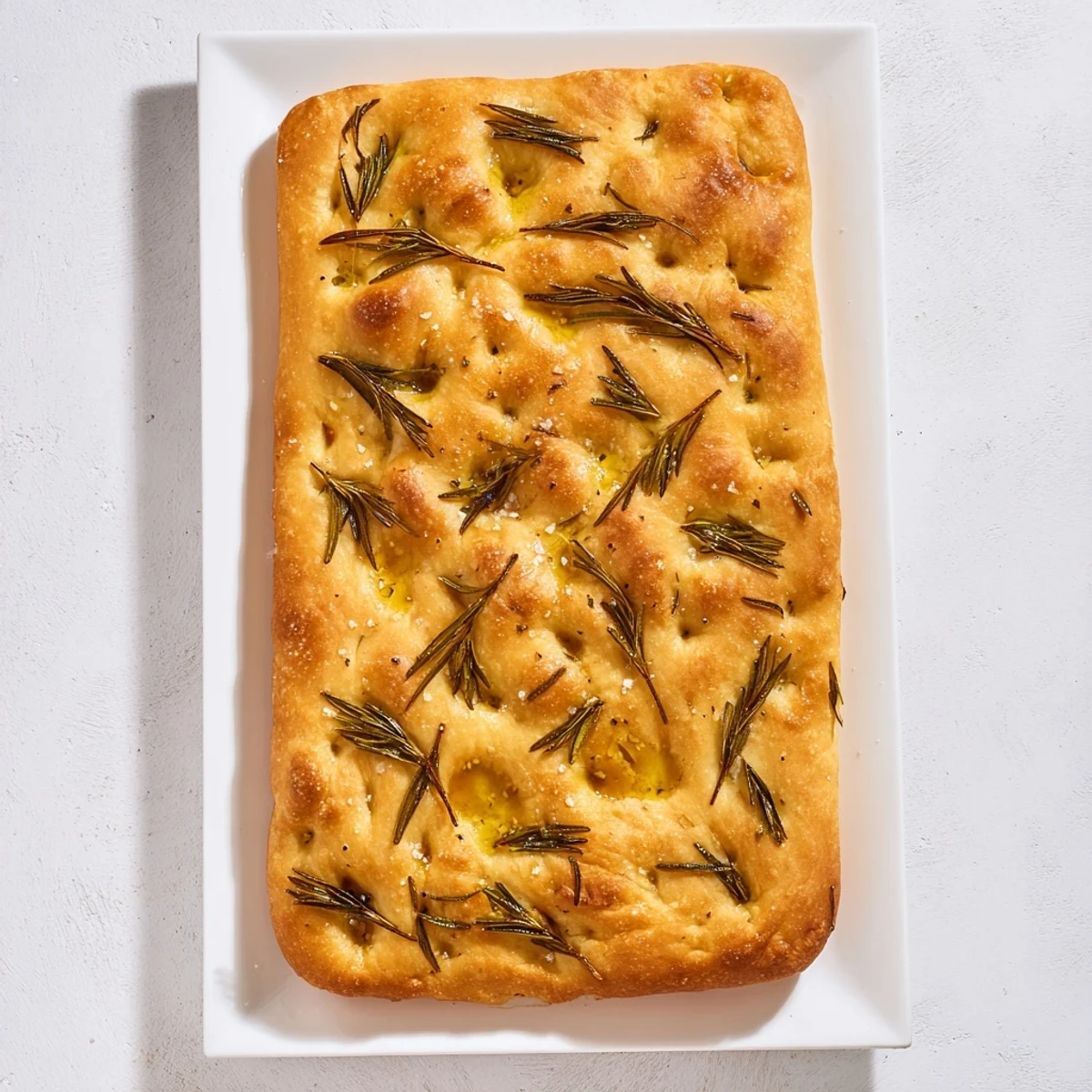
 This traditional Italian flatbread delivers the perfect balance of textures - a golden, crispy exterior giving way to a soft, airy interior infused with fragrant olive oil and fresh rosemary. The dough requires simple pantry ingredients and patience for proper rising, resulting in an impressive centerpiece that pairs beautifully with soups, salads, or serves as a satisfying snack on its own.
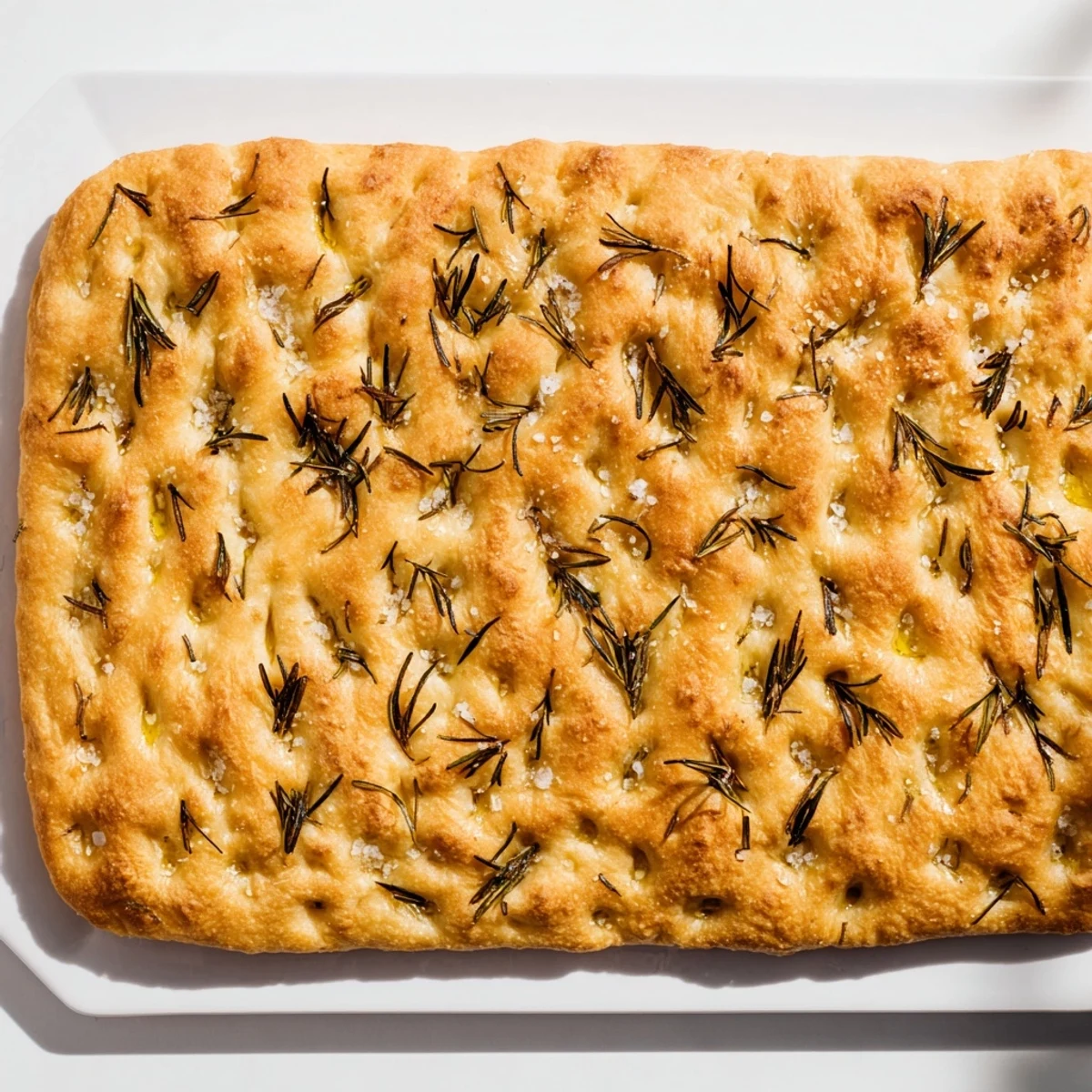
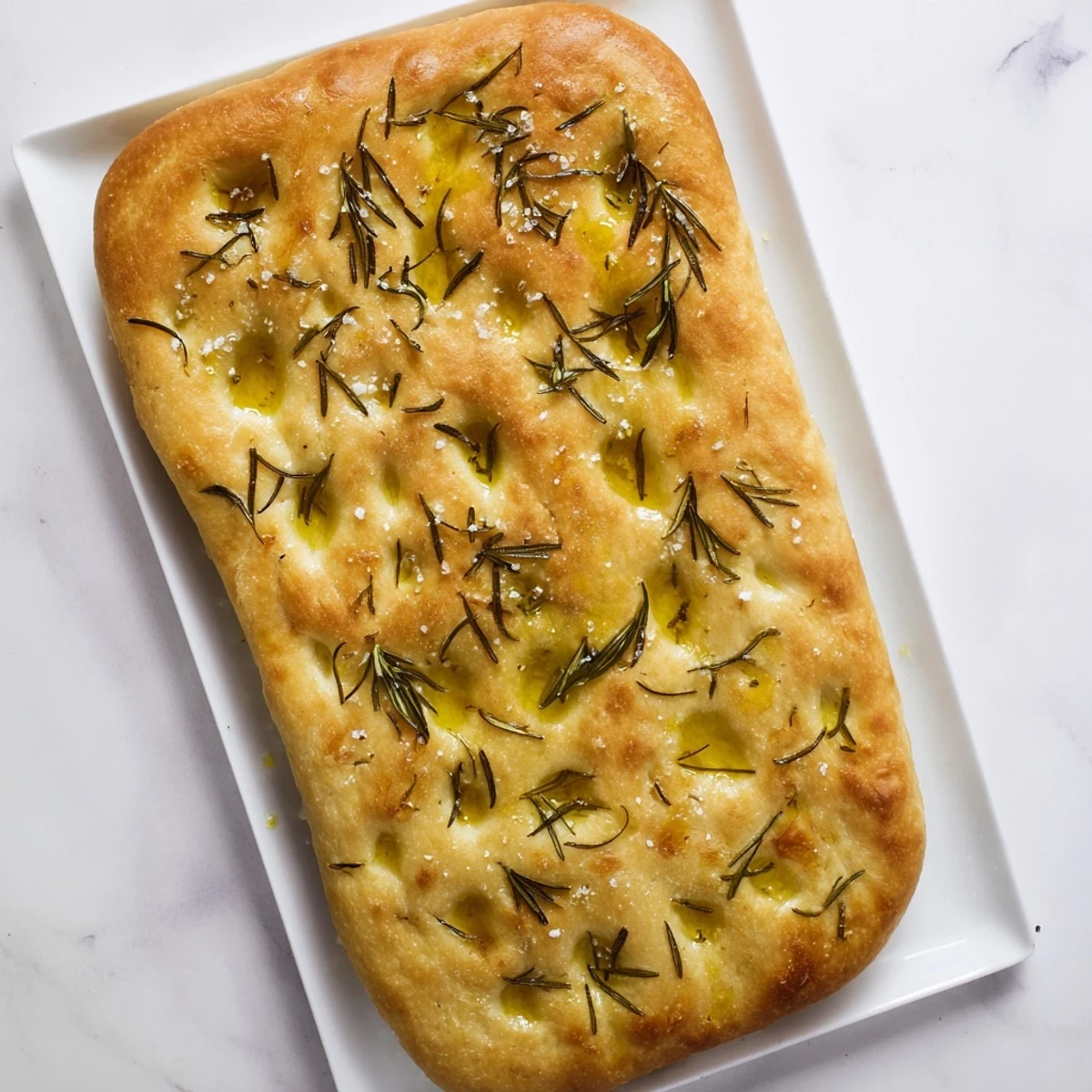
My apartment smelled like a bakery in Rome the afternoon I got the dimpling technique right for the first time, and I actually laughed out loud standing alone in my kitchen. That olive oil pooling in the little hollows of dough, the rosemary fragments scattered across the surface like tiny green boats on a golden sea, it was almost too pretty to bake. Almost. Focaccia is one of those breads that forgives your mistakes and rewards your patience with a crackling crust and a pillowy interior that tears like a dream.
I made this for a potluck once and watched a friend tear off a piece, close her eyes, and whisper that it transported her to a summer trip to Liguria. She was probably being generous, but I will take it.
Ingredients
- 500 g bread flour (or all purpose flour): Bread flour gives that chewier crumb, but all purpose works fine if that is what you have on hand.
- 325 ml lukewarm water: Think baby bottle temperature, warm to the touch but not hot, because scalding water will kill your yeast stone dead.
- 2 tsp salt: Do not skimp here, salt is what makes focaccia taste like focaccia and not like unspecific bread.
- 2 tsp sugar: Just enough to wake up the yeast and give the crust a hint of golden color.
- 7 g instant dry yeast: One standard packet, no proofing required if it is fresh.
- 60 ml extra virgin olive oil (in dough): This is what makes the interior tender and rich, so use the good stuff.
- 2 tbsp extra virgin olive oil (for topping): Pooled into those dimples right before baking.
- 1 tbsp fresh rosemary leaves (or 1 tsp dried): Fresh is a revelation here, but dried rosemary softened in a splash of warm olive oil does the job in a pinch.
- Flaky sea salt, to taste: The big crunchy flakes on top are nonnegotiable for texture and flavor.
Instructions
- Mix your dry team:
- Toss the flour, salt, sugar, and instant yeast into a large bowl and stir them together so everything is evenly distributed before the liquid joins the party.
- Bring in the wet ingredients:
- Pour in the lukewarm water and olive oil, then mix with a wooden spoon or your hands until you have a shaggy, sticky dough that looks like a bit of a mess.
- Knead with purpose:
- Turn the dough onto a floured surface and knead for 8 to 10 minutes, pushing and folding until it transforms into something smooth, springy, and slightly tacky but not sticking to your fingers.
- Let it rise and relax:
- Place the dough in a lightly oiled bowl, cover it with a damp cloth or plastic wrap, and tuck it into a warm spot for 1 to 1.5 hours until it has puffed up and doubled in size.
- Shape and dimple:
- Generously oil your baking tray, gently stretch the dough onto it, and press your oiled fingertips deep into the surface to create those signature little wells that catch olive oil like tiny pools.
- Dress it up:
- Drizzle the remaining olive oil over the top, scatter the rosemary, and finish with a generous shower of flaky sea salt.
- Second rise while the oven heats:
- Cover the tray and let the dough puff up for another 30 minutes while your oven preheats to 220 degrees Celsius, which is about 428 degrees Fahrenheit.
- Bake until golden glory:
- Slide the tray into the hot oven and bake for 20 to 25 minutes, watching for that deep golden brown color and a hollow sound when you tap the bottom.
- Cool, tear, share:
- Let it rest for a few minutes on the tray so the crumb can settle, then slice or tear into rustic pieces and serve while still warm.
 Pin It
 The night I baked focaccia during a thunderstorm, rain lashing the windows and the oven light glowing golden through the door, I realized some meals are less about eating and more about feeling completely at home.
Getting Creative With Toppings
Once you have the base technique down, focaccia becomes a canvas. Try pressing halved cherry tomatoes cut side up into the dimples, or tucking sliced olives and caramelized onions into the dough before the second rise. Each topping brings its own moisture and character, so adjust the olive oil drizzle down slightly if you are using juicier additions.
Serving It Right
Warm focaccia with a small dish of olive oil and balsamic vinegar for dipping is honestly hard to beat as a starter or a lazy dinner. It also makes an incredible sandwich bread if you split it horizontally and layer in prosciutto, mozzarella, and arugula.
Crispy Base Secrets
If you crave that restaurant style crunch on the bottom, a preheated pizza stone is your best friend here. Slide the focaccia onto the hot stone instead of baking it on the tray and the base will go beautifully crisp in minutes. A few practical things to keep in mind before you start:
- Let the dough come to room temperature if you made it ahead and refrigerated it overnight.
- Do not skip the second rise, it is what gives focaccia its characteristic airy bubbles.
- Leftover focaccia reheats beautifully in a 180 degree Celsius oven for about 5 minutes.
 Pin It
 Focaccia is the kind of bread that turns an ordinary evening into something worth savoring, and once you master it, you will never stop finding excuses to make it again.
Common Questions
- → What makes focaccia different from regular bread?
-
Focaccia features a higher olive oil content and dimpled surface, creating a thicker, flatter bread with a crispy exterior and exceptionally soft, airy interior. The generous oil coating and herbs distinguish it from traditional loaf breads.
- → How do I achieve the perfect crispy crust?
-
Preheat your oven thoroughly to 220°C (428°F), use ample olive oil on the baking tray and dough surface, and bake until deeply golden. A pizza stone can enhance bottom crispness.
- → Can I prepare the dough ahead of time?
-
Yes, after the first rise, refrigerate the dough for up to 24 hours. Bring to room temperature before pressing into the tray and completing the second rise.
- → What toppings work well with focaccia?
-
Try cherry tomatoes, black olives, caramelized onions, thinly sliced garlic, fresh thyme, or even grapes and honey for a sweet variation. Always add toppings before the final rise.
- → Why is my focaccia dense instead of airy?
-
This usually results from insufficient rising time or over-kneading. Ensure the dough doubles in size during both rises, and avoid deflating it when pressing onto the tray.
- → Can I freeze baked focaccia?
-
Absolutely. Wrap cooled focaccia tightly in plastic and freeze for up to 3 months. Thaw at room temperature, then refresh in a 180°C oven for 5-8 minutes to restore crispness.