
 Pin It
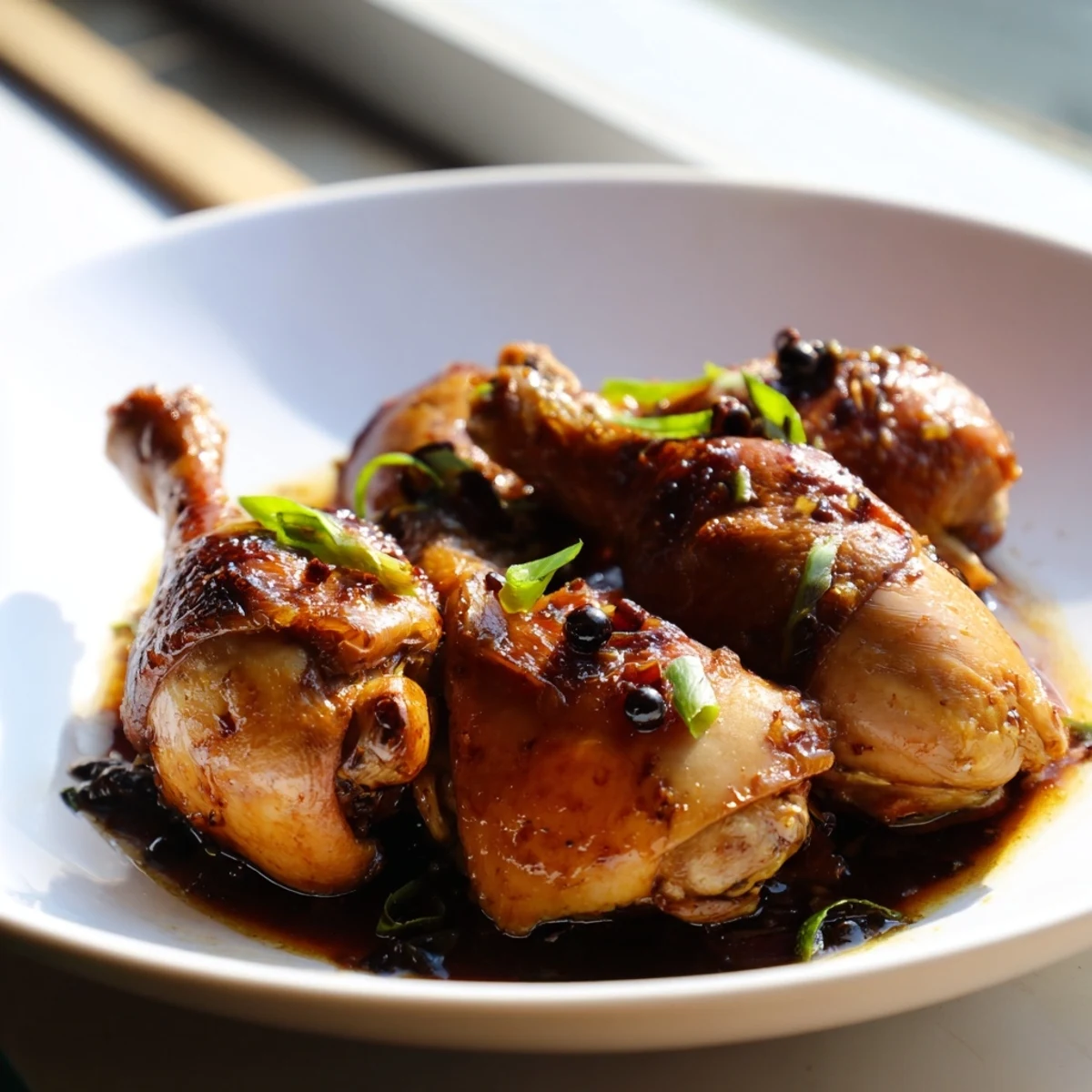
 This beloved Filipino classic transforms simple chicken into an unforgettable meal through slow braising in a signature marinade of soy sauce, vinegar, garlic, and aromatic spices. The result is fall-off-the-bone tender meat enveloped in a rich, tangy-savory sauce that perfectly complements steamed jasmine rice.
The magic lies in the balance between the salty depth of soy sauce and the bright acidity of vinegar, while garlic and bay leaves provide aromatic warmth. The dish develops incredible flavor whether marinated briefly or overnight, and leftovers only improve as the ingredients continue melding together.
What makes this version special is the optional addition of brown sugar for subtle sweetness, plus the flexibility to add onions or potatoes during cooking. The final reduction creates a luscious, thickened sauce that coats every piece of chicken. Each serving delivers satisfying protein with minimal active prep time.
The first time my Filipino roommate made adobo in our tiny apartment kitchen, I thought something had gone wrong. That sharp vinegar smell hit me before I even walked through the door, and I wrinkled my nose, wondering what on earth was cooking. Two hours later, I was literally eating the sauce off the plate with a spoon, completely converted by that perfect tangy-savory balance.
Last winter, during that terrible week when everyone in our house was sick with the flu, I made a massive pot of adobo. Something about that vinegary steam filling every room just felt healing and comforting. My roommate stumbled out of her room at 2am, reheated a bowl, and said it was the first time she could actually taste anything in three days.
Ingredients
- 1.2 kg bone-in chicken thighs and drumsticks: Bone-in pieces give you that velvety, rich mouthfeel you just cannot get with boneless meat
- 1/2 cup soy sauce: Use a good quality brand here because its literally half the flavor foundation of the whole dish
- 1/2 cup cane vinegar: This is what gives adobo its signature sharpness and white vinegar works perfectly fine if that is what you have
- 6 cloves garlic, crushed: Do not chop these fine because crushed garlic releases flavor more slowly and mellows beautifully as it braises
- 2 bay leaves: These add a subtle earthy backbone that you will miss if you skip them
- 1 tsp whole black peppercorns: Whole peppers keep their punch instead of getting bitter like ground pepper can during long cooking
- 1 tbsp brown sugar: Just enough to round out the sharp edges without making it sweet
- 2 tbsp vegetable oil: For getting that gorgeous golden brown color on the chicken before it braises
Instructions
- Marinate the chicken:
- Combine everything except the oil in a large bowl and let it sit for at least 30 minutes though overnight in the fridge is even better for deeper flavor penetration.
- Pat the chicken dry:
- Remove the pieces from the marinade and reserve every drop of that liquid because gold and dry the chicken really well with paper towels.
- Sear until golden:
- Heat oil in your pan over medium-high heat and brown the chicken skin side down for about 3 minutes per side until it has that beautiful caramelized color.
- Simmer to perfection:
- Pour back in the marinade with half a cup of water, bring it to a bubble, then cover and let it cook on low for 25 to 30 minutes until the chicken is falling off the bone.
- Reduce the sauce:
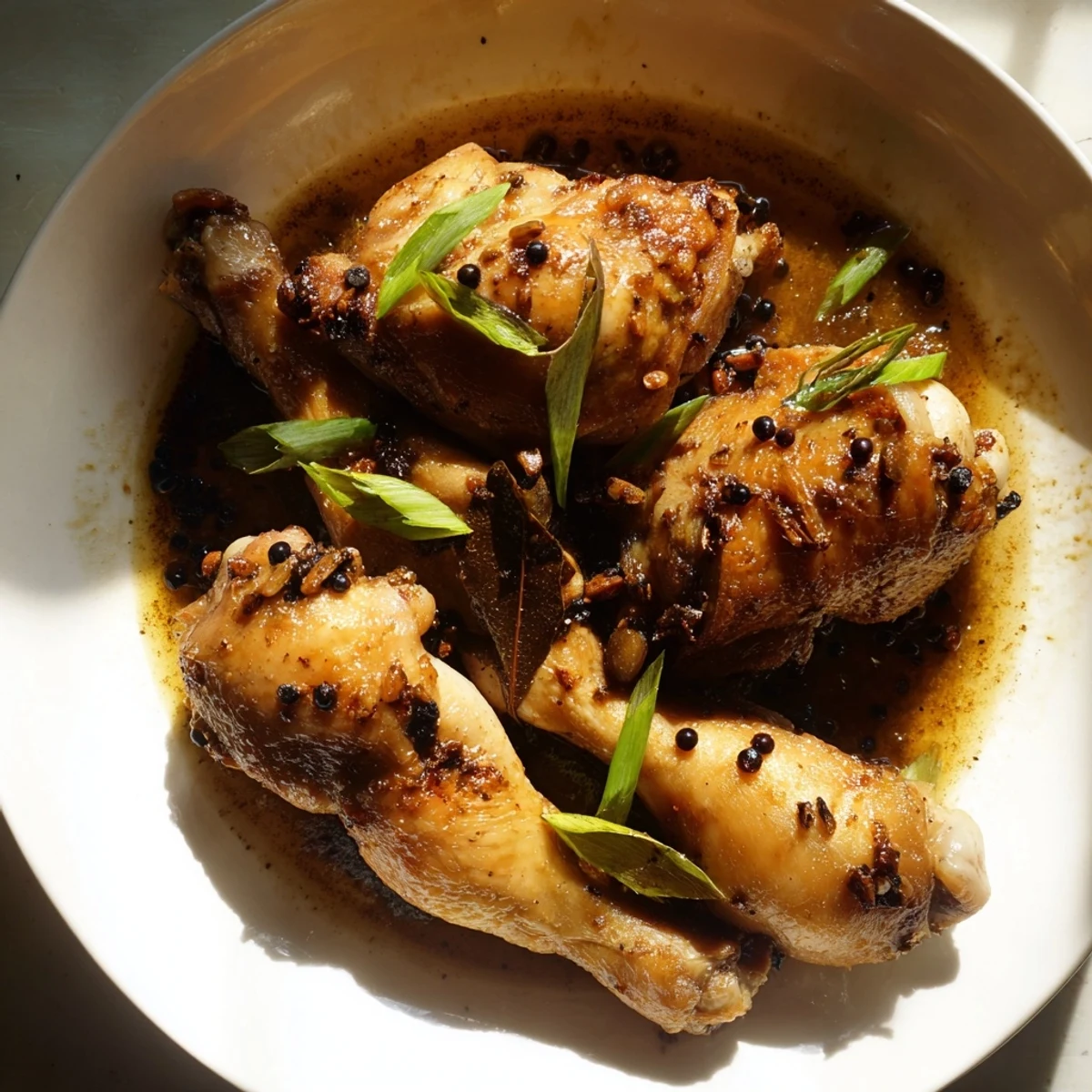
- Uncover the pot and let everything bubble for another 10 to 15 minutes until the sauce thickens enough to coat a spoon.
 Pin It
 My friend Carlos texted me at midnight once, begging for this recipe after his Filipina grandmother made adobo for Sunday dinner. She had been cooking it for fifty years and apparently my version tasted close enough to home that he wanted to surprise her by making it himself.
Getting The Sauce Right
The sauce consistency is entirely personal preference. Some Filipino families like it thin and almost soup-like while others prefer it reduced until it is practically a glaze coating the chicken. I have found that stopping the reduction when the sauce coats the back of a spoon gives you the best of both worlds.
The Potato Question
Adding potatoes is controversial in some households but I absolutely love how they soak up all that vinegary soy goodness while they cook. Just be sure to cut them into substantial chunks so they do not completely fall apart during the simmering phase.
Serving Suggestions
Adobo demands to be served over steaming hot jasmine rice that has been cooked just right. Something magical happens when that savory vinegary sauce hits fluffy white rice and I have seen people who never eat seconds suddenly hovering over the pot for more.
- Freshly steamed rice is non negotiable here
- A simple cucumber salad cuts through the richness perfectly
- Cold adobo the next day might be even better than fresh
 Pin It
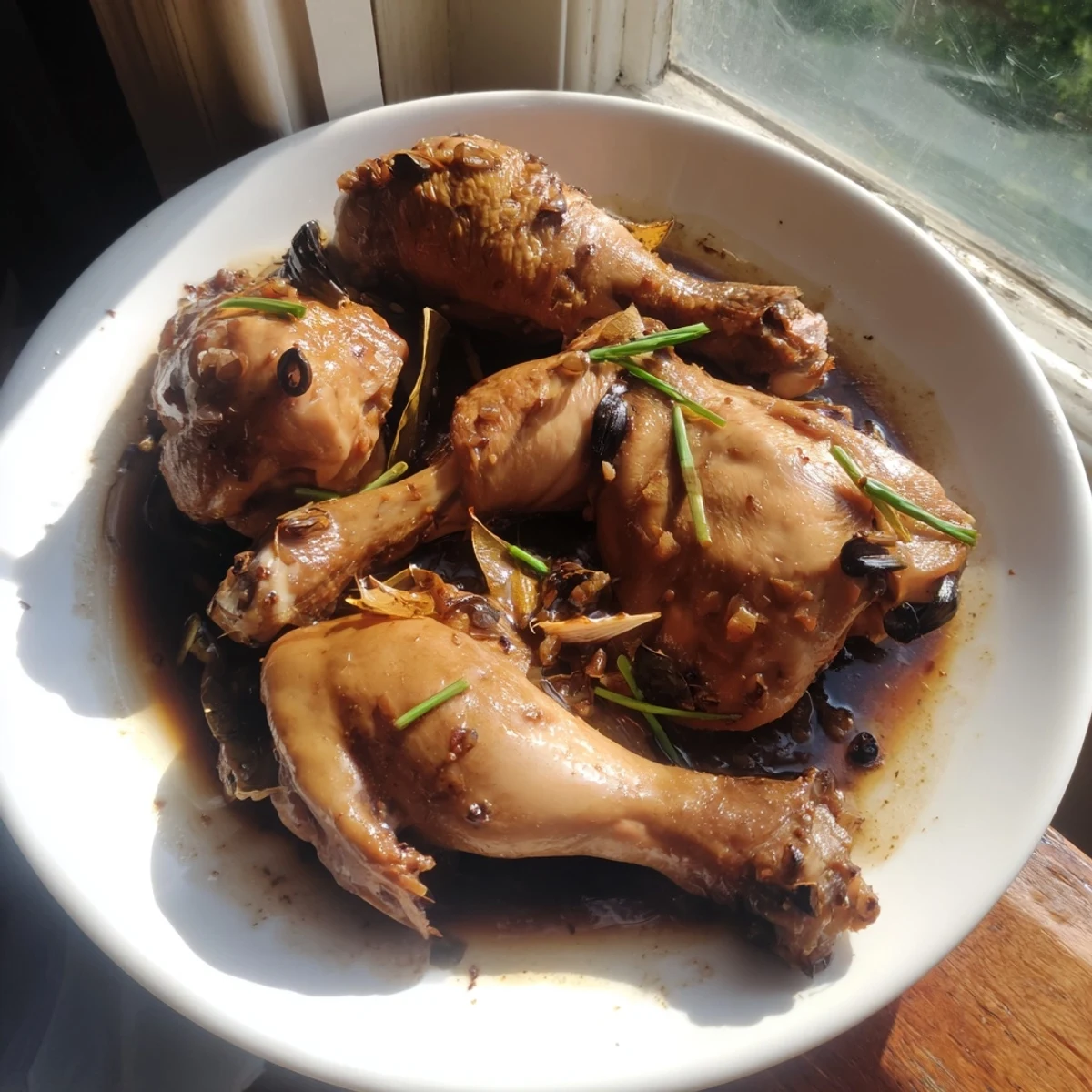
 This recipe has saved me on countless weeknights when I wanted something deeply comforting but did not have the energy for anything complicated.
Common Questions
- → What makes Filipino adobo different from other braised chicken dishes?
-
Filipino adobo stands apart through its unique balance of soy sauce and vinegar as primary braising liquids, creating that distinctive tangy-savory flavor profile. The vinegar not only adds brightness but also naturally tenderizes the meat while acting as a preservative, historically important in Philippine cuisine. Unlike many Western braises, adobo uses minimal liquid and relies on the meat releasing its own juices during cooking.
- → Can I use other cuts of meat instead of chicken thighs?
-
Absolutely. While bone-in, skin-on chicken thighs and drumsticks provide the best flavor and tenderness, you can use whole chicken pieces, boneless thighs, or even substitute entirely with pork shoulder or pork belly. Many Filipinos prefer a combination of pork and chicken in their adobo. Boneless cuts will cook faster but may lack some of the rich flavor that bones contribute during braising.
- → What type of vinegar works best for authentic flavor?
-
Traditional Filipino adobo uses cane vinegar, which has a mild, slightly sweet flavor that won't overpower the dish. White vinegar makes an excellent substitute and is widely used. Apple cider vinegar works well too, adding a subtle fruitiness. Avoid robust vinegars like balsamic or malt vinegar as they'll dramatically alter the flavor profile. The vinegar choice can be adjusted based on your preference for tanginess.
- → How long should I marinate the chicken for best results?
-
While the dish includes instructions for a 30-minute marinade, longer marinating time yields deeper flavor penetration. Marinating for 4-6 hours makes a noticeable difference, and overnight in the refrigerator produces the most flavorful results. However, even with just 30 minutes, the braising process ensures plenty of flavor. If marinating overnight, bring the chicken to room temperature before cooking for even cooking.
- → Why is the sauce reduced uncovered at the end of cooking?
-
The final uncovered simmer concentrates the flavors and thickens the sauce naturally through reduction. This step transforms the thin braising liquid into a rich, glossy coating that clings beautifully to the chicken. The evaporation intensifies the savory-tangy balance and creates that signature consistency perfect for spooning over rice. Watch closely during this stage as the sauce can reduce quickly—aim for a consistency that coats the back of a spoon.
- → Can I make adobo ahead of time?
-
Adobo is actually one of those dishes that tastes even better the next day. The flavors continue developing as the chicken rests in the sauce, and the sauce thickens further upon refrigeration. You can make it up to 3 days ahead and store it in the refrigerator. Reheat gently on the stovetop, adding a splash of water if the sauce has thickened too much. Many Filipino home cooks make a large batch specifically to enjoy throughout the week.