 Pin It
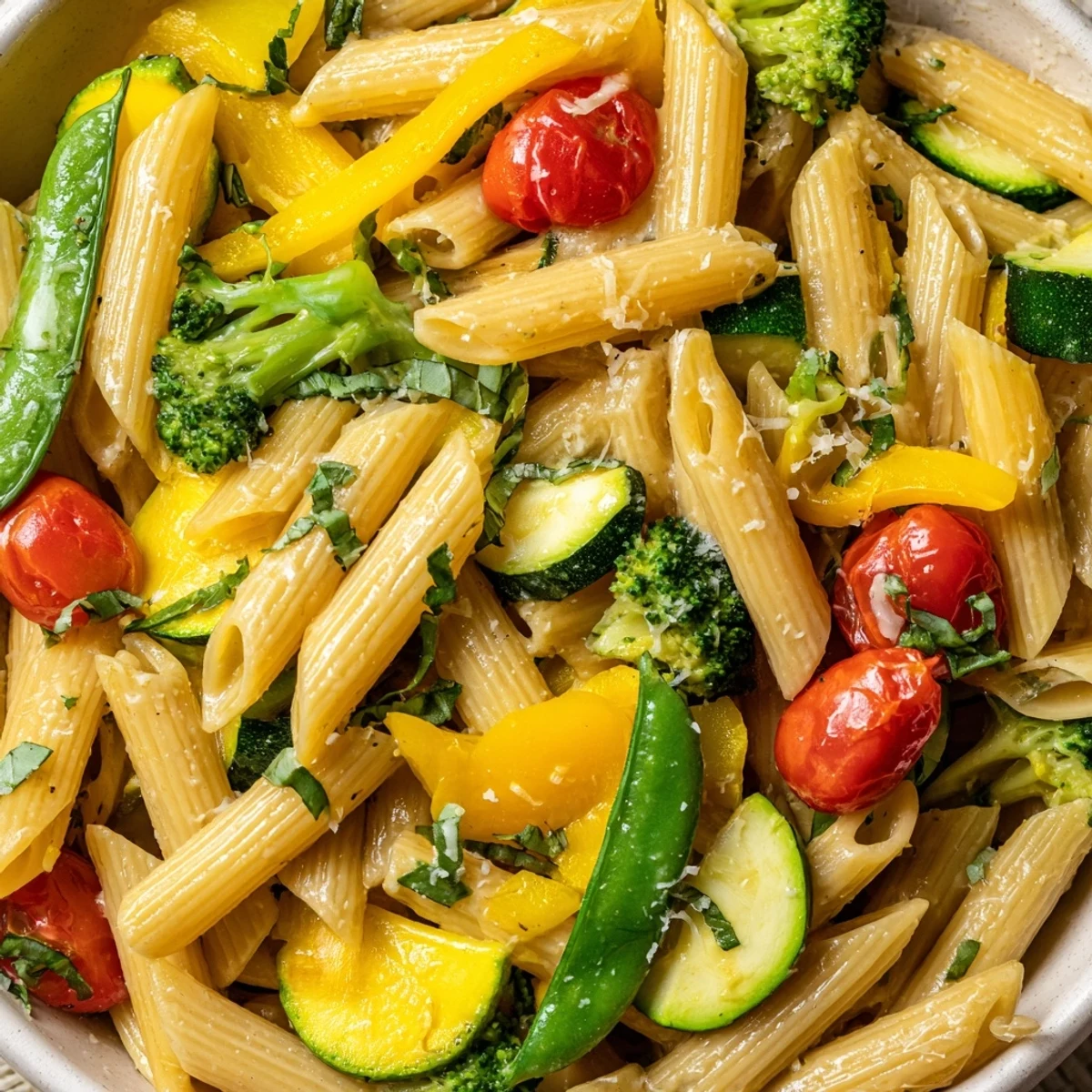
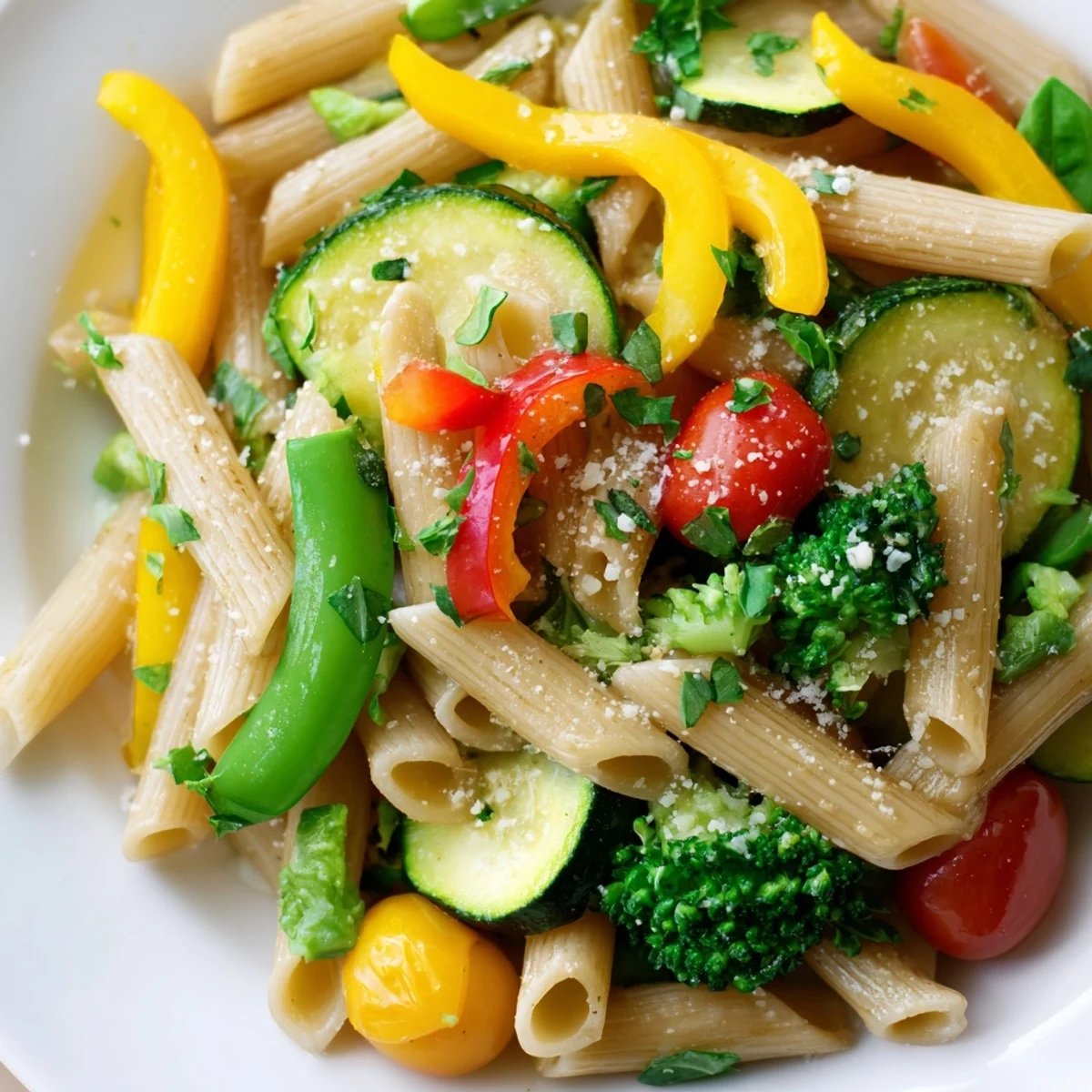
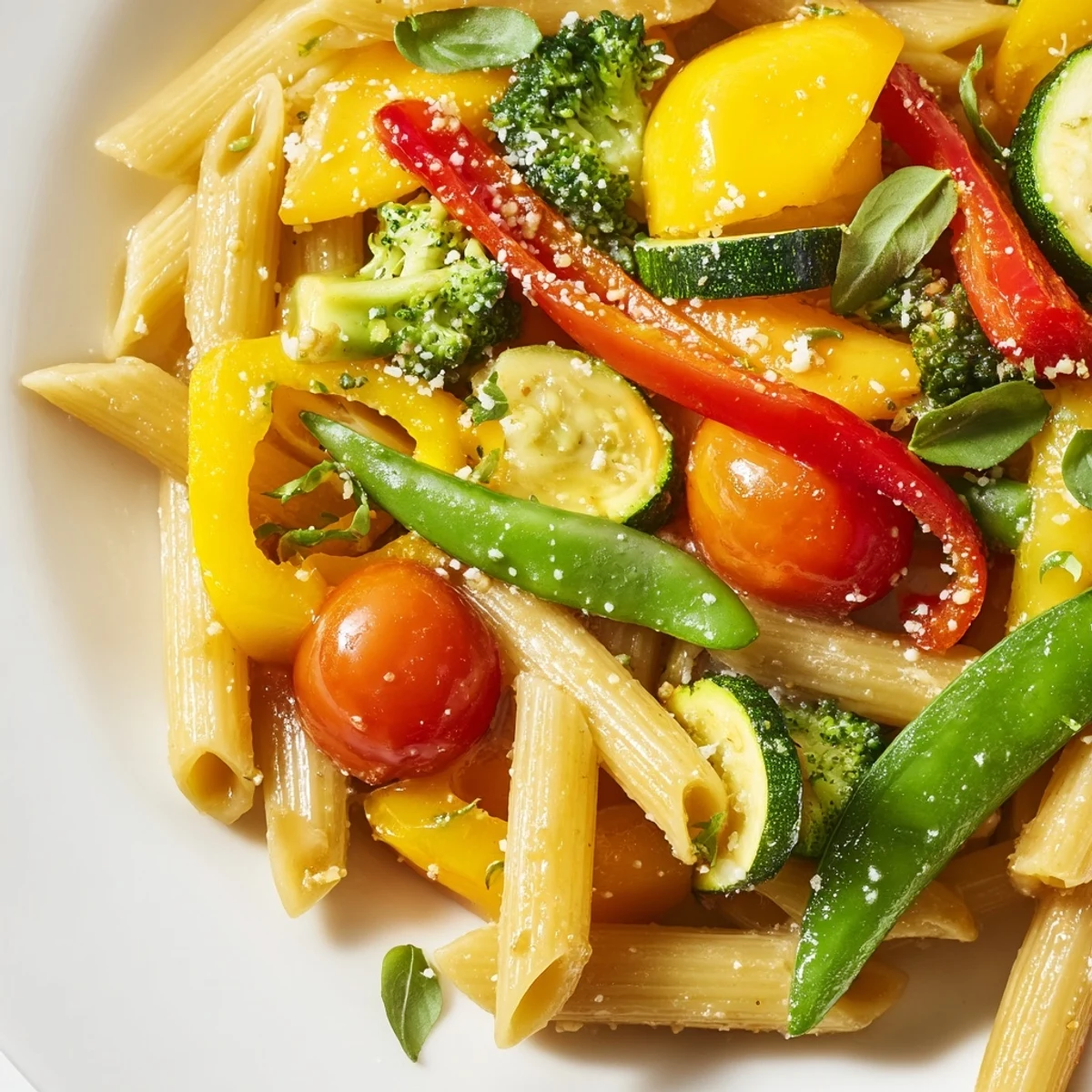
 This colorful Italian classic combines perfectly cooked penne or spaghetti with an assortment of fresh spring vegetables including zucchini, yellow squash, bell peppers, cherry tomatoes, broccoli, and sugar snap peas. The vegetables are sautéed until tender-crisp, then tossed with the pasta in a flavorful sauce made with extra virgin olive oil, garlic, vegetable broth, and fresh lemon juice. A finishing sprinkle of Parmesan cheese, basil, and parsley adds bright, herbaceous notes.
The dish comes together in just 40 minutes, making it ideal for weeknight dinners while still feeling special enough for entertaining. The light sauce allows the fresh vegetables to shine while the pasta provides satisfying substance.
The first time I made pasta primavera, I stood over the stove fascinated by how quickly spring vegetables could transform a simple dish into something vibrant and alive. I've since learned that the secret lies not in overthinking it, but in letting each vegetable keep its own personality while mingling with the pasta. There's something deeply satisfying about watching the colors pop against the pale noodles, like having a farmers market right there in your skillet.
Last spring my neighbor came over with a basket of vegetables from her garden and we ended up making three variations of this recipe because we kept adding things she'd picked that morning. We ate on the back porch as the sun went down, and I remember thinking this is exactly what dinner should feel like: fresh, colorful, and shared with someone who appreciates good food.
Ingredients
- 400 g (14 oz) penne or spaghetti: I love how penne catches all the little vegetable bits in its tubes, though spaghetti works beautifully if you want something more traditional
- 1 small zucchini, sliced: dont cut these too thin or they'll disappear into the sauce, about quarter inch rounds are perfect
- 1 small yellow squash, sliced: they add such a lovely golden color and mild sweetness that balances the sharper vegetables
- 1 red bell pepper, julienned: I always save a few extra strips to garnish the top because they look gorgeous against the green herbs
- 1 cup cherry tomatoes, halved: these burst slightly in the heat and create little pockets of concentrated flavor throughout the dish
- 1 cup sugar snap peas, trimmed: leave them whole if they're small, they add incredible crunch and sweetness
- 1 cup broccoli florets: cut these into bite sized pieces so they cook at the same rate as the other vegetables
- 3 tablespoons extra virgin olive oil: this forms the base of your sauce, so use something you really like the taste of
- 3 cloves garlic, minced: fresh garlic makes all the difference here, don't be tempted to use the pre minced stuff
- 1/2 teaspoon crushed red pepper flakes: even if you're sensitive to heat, a tiny bit wakes up all the other flavors
- 1/2 cup vegetable broth: homemade is wonderful but a good quality store bought works perfectly fine
- Juice of 1 lemon: I zest the lemon first and save the zest to sprinkle on top at the end for extra brightness
- 1/4 cup grated Parmesan cheese, plus more for serving: use a microplane if you have one, it melts into the sauce beautifully
- Salt and freshly ground black pepper, to taste: taste as you go, the pasta water will already be salty so adjust accordingly
- 2 tablespoons fresh basil leaves, chopped: add these at the very end so they stay bright and fragrant
- 2 tablespoons fresh parsley, chopped: Italian flat leaf parsley has more flavor than the curly variety
Instructions
- Get your pasta water going first:
- Bring a large pot of salted water to a boil and cook pasta until al dente, then drain but save that precious half cup of pasta water before you forget
- Start building those flavors:
- While the pasta cooks, warm your olive oil in a large skillet over medium heat and add the garlic with red pepper flakes, letting it sizzle for just one minute until your kitchen smells amazing
- Add the harder vegetables first:
- Toss in zucchini, squash, bell pepper, and broccoli, sautéing for 4 to 5 minutes until they're just tender but still have some bite
- Add the quick cooking vegetables:
- Throw in cherry tomatoes and sugar snap peas for another 2 to 3 minutes, watching how the tomatoes start to glisten and soften
- Create the sauce:
- Pour in vegetable broth and lemon juice, letting everything simmer together for 2 minutes while seasoning with salt and pepper
- Bring it all together:
- Add the cooked pasta to the skillet with Parmesan, splashing in some of that reserved pasta water if the sauce seems too thick, then toss until everything is glossy and coated
- Finish with fresh herbs:
- Stir in basil and parsley right at the end, then taste and add more salt or pepper if needed
- Serve it up:
- Plate immediately while everything is still steaming, offering extra Parmesan at the table because there's no such thing as too much cheese
 Pin It
 My daughter now requests this for her birthday dinner every year, which still surprises me because she used to pick out every single vegetable when she was younger. Watching her request seconds and ask for the recipe to take to college made me realize how tastes evolve and how the simplest meals often become the ones we remember most fondly.
Making It Your Own
I've discovered that asparagus works beautifully in place of broccoli when it's in season, and fresh peas instead of sugar snap peas make this feel even more like spring. The beauty of this dish is that it's meant to be flexible based on what you have or what looks best at the market.
Perfect Pairings
A crisp Pinot Grigio cuts through the olive oil and complements the vegetables beautifully, though a chilled Sauvignon Blanc works just as well. I love serving this with a simple green salad dressed with nothing more than good olive oil and vinegar, plus some crusty bread to sop up any sauce left on the plate.
Storage And Reheating
This keeps surprisingly well in the refrigerator for up to three days, though I've found it's best to store the pasta and vegetables separately if you're planning ahead. The vegetables maintain their texture better that way, and you can gently reheat everything together in a skillet with a splash of water.
- Add a squeeze of fresh lemon when reheating to wake up the flavors
- The pasta will absorb more liquid as it sits, so keep extra pasta water or broth on hand
- Serve reheated portions with a fresh sprinkling of herbs to maintain that just made brightness
 Pin It
 There's something so honest about a dish that lets vegetables shine exactly as they are, no complicated techniques required. I hope this becomes one of those recipes you turn to again and again, adjusting slightly each time until it feels completely like your own.
Common Questions
- → What vegetables work best in pasta primavera?
-
Classic spring vegetables like zucchini, yellow squash, bell peppers, broccoli, sugar snap peas, and cherry tomatoes work beautifully. You can also add asparagus, peas, or green beans based on seasonality and preference.
- → How do I prevent the vegetables from becoming mushy?
-
Sauté vegetables in stages based on cooking time. Start with harder vegetables like broccoli and bell peppers, then add quicker-cooking items like cherry tomatoes and snap peas near the end. Keep the heat at medium and stop when vegetables are tender-crisp.
- → Can I make this dish ahead of time?
-
It's best served immediately, but you can prepare components in advance. Cook the pasta and vegetables separately, then toss together just before serving with the sauce. Reheat gently with a splash of pasta water to refresh the sauce.
- → What pasta shape is ideal for primavera?
-
Penne, fusilli, or farfalle work excellently as their shapes capture the sauce and vegetables. Spaghetti or linguine create a more traditional presentation. Choose what you enjoy—the key is cooking until al dente.
- → How can I add more protein to this dish?
-
Stir in cooked chickpeas or white beans for plant-based protein. Grilled chicken strips or sautéed shrimp work well if you eat meat. A dollop of ricotta or extra Parmesan also boosts protein content.
- → Is this suitable for meal prep?
-
Yes, it stores well for 3-4 days in the refrigerator. The flavors continue to develop over time. Reheat in a skillet with a splash of water or broth to refresh the sauce's consistency.