
 Pin It
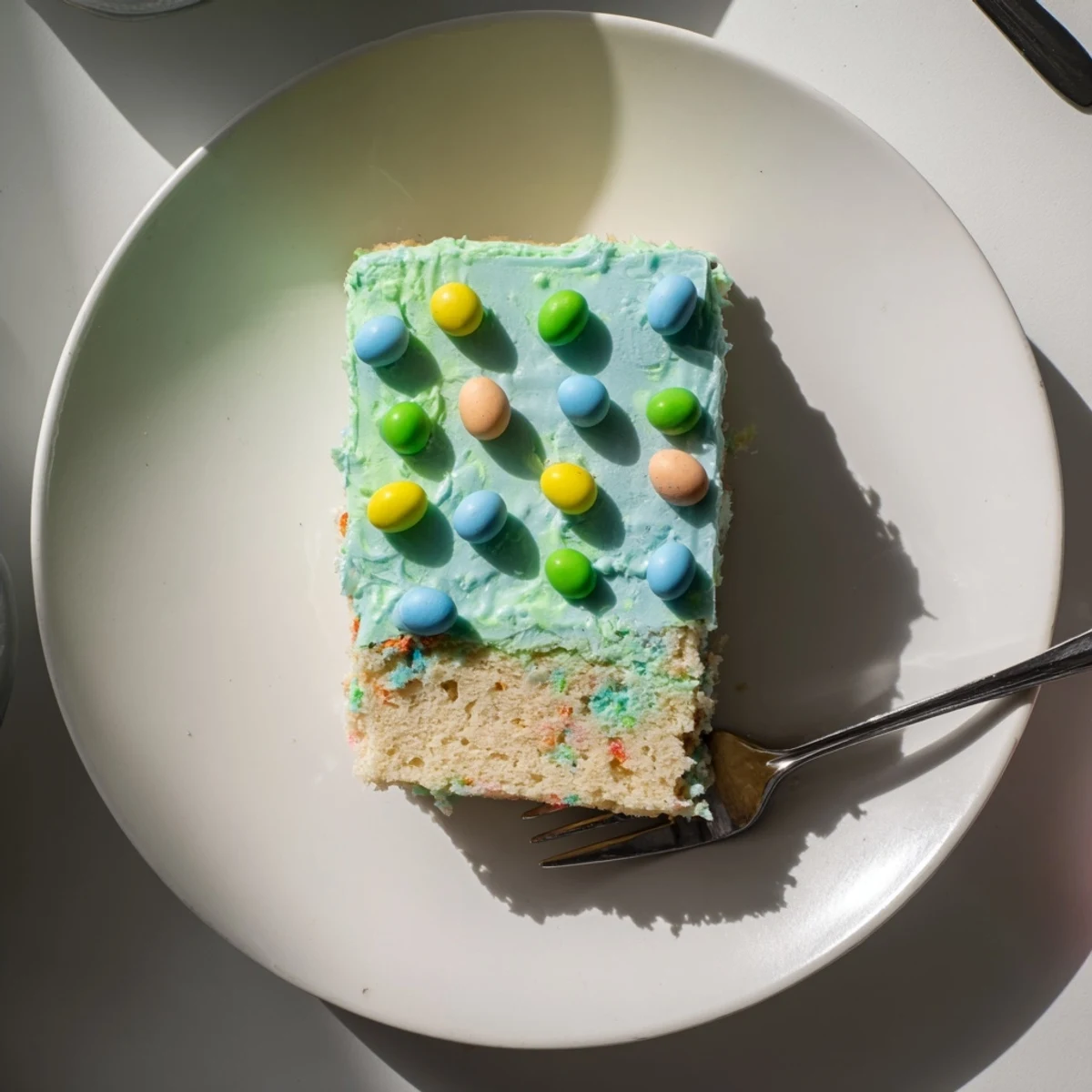
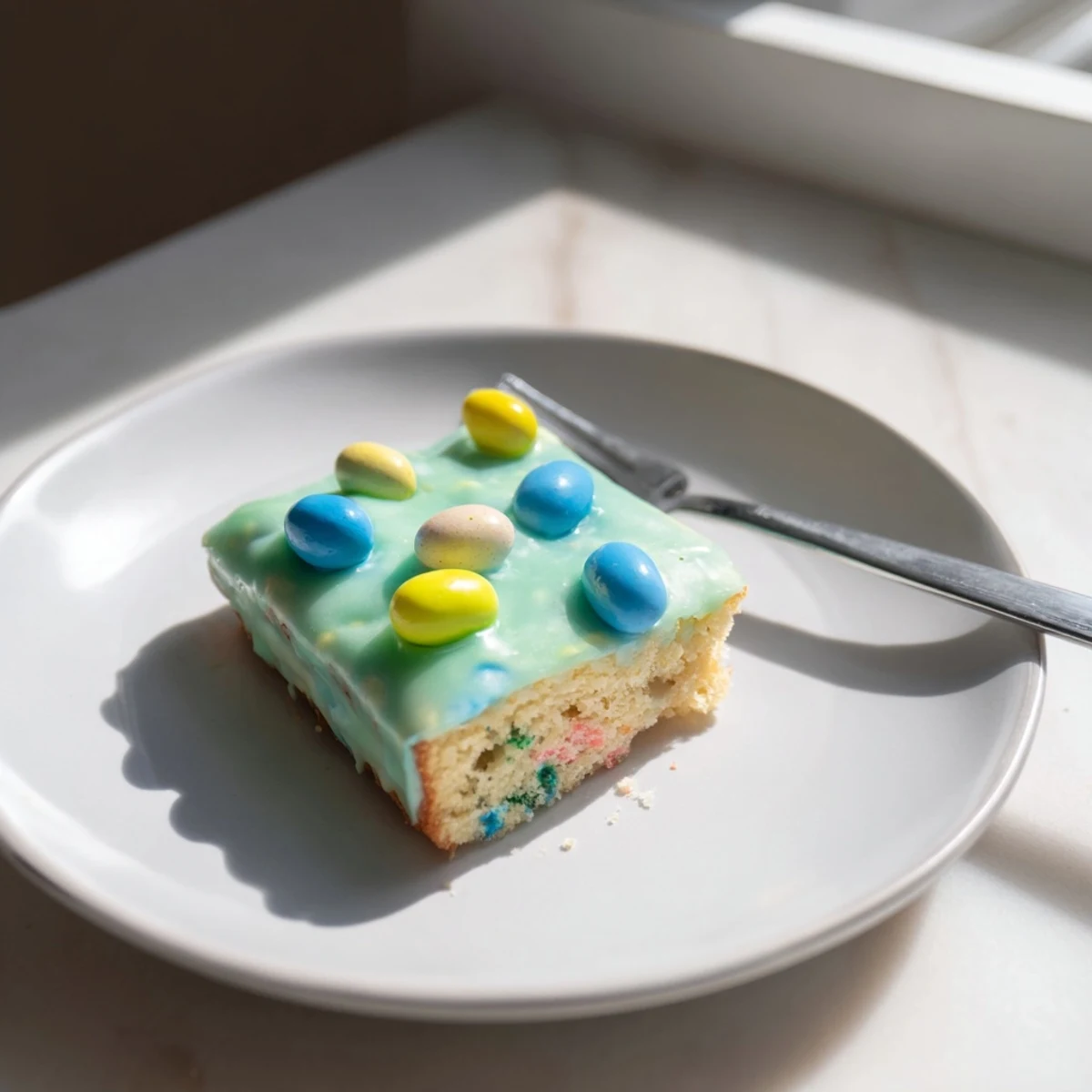
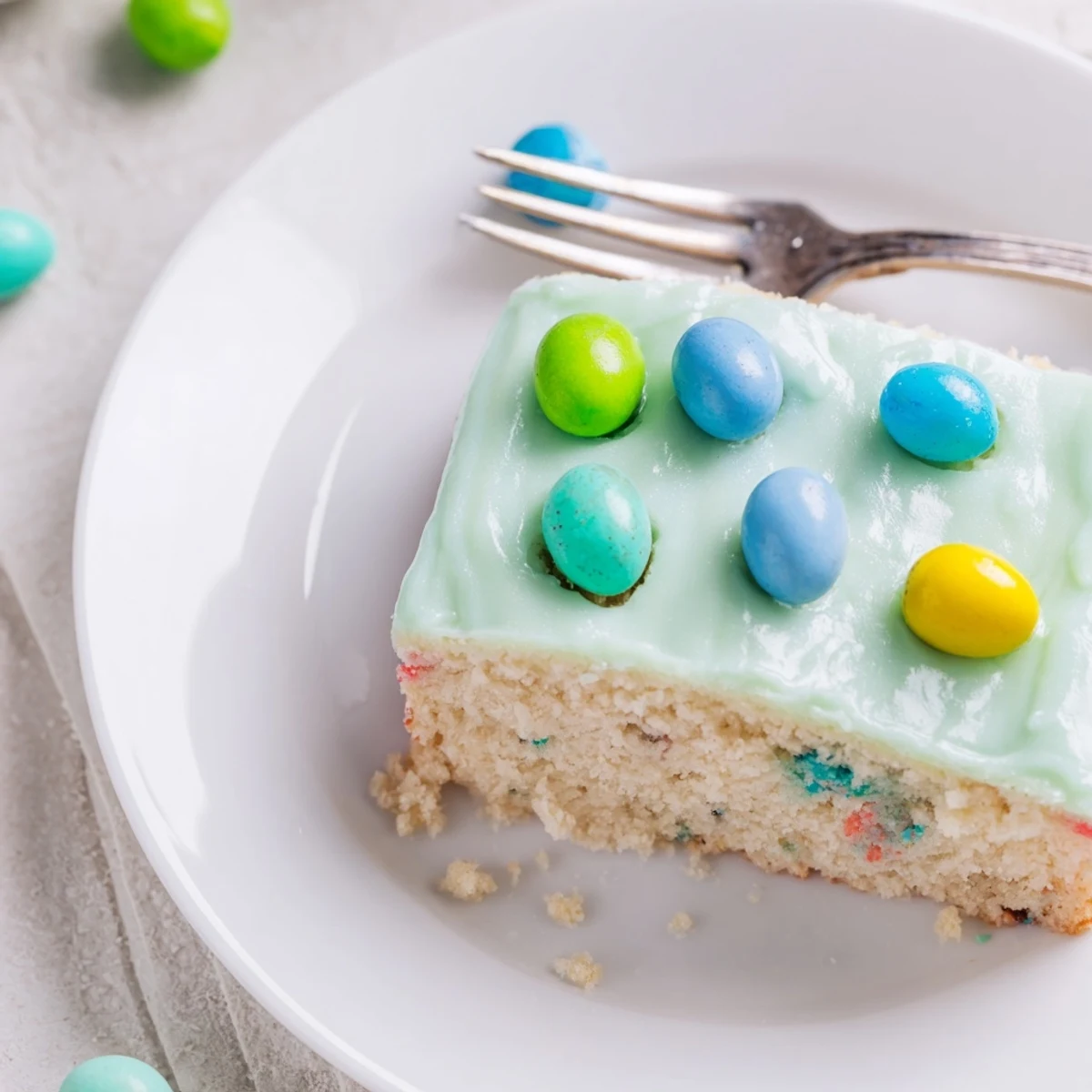
 This delightful vanilla snack cake combines a tender, moist crumb with the festive crunch of candy-coated robin eggs throughout the batter. A pastel-colored glaze adds a playful finish, making it an ideal centerpiece for spring celebrations and Easter gatherings. The cake comes together quickly with basic pantry ingredients, while the colorful candy coating provides both texture and visual appeal.
The glaze can be customized with various food coloring shades or swirled together for a marbled effect. Whole robin eggs scattered on top create an eye-catching presentation that hints at the惊喜 inside. Store at room temperature for up to two days, though it rarely lasts that long when guests discover the sweet crunch hidden within each slice.
Last spring my daughter spotted those speckled robin eggs at the store and begged to bake something with them. I winged it, folding the crushed candy into a simple vanilla cake, and the way the sugary shells created little pockets of crunch throughout the tender crumb made the whole kitchen smell like celebration.
I brought this to our neighborhood egg dyeing party and watched three different people ask for the recipe. The pastel glaze swirled on top makes it look impossibly fancy, but the truth is I was just trying to use up leftover candy from Easter baskets.
Ingredients
- All-purpose flour: provides the structure for a tender crumb that holds up to the weight of the candy pieces
- Baking powder and soda: work together to give the cake just enough lift without making it too airy
- Fine salt: balances the sweetness and actually makes the vanilla flavor pop
- Unsalted butter: room temperature butter creams perfectly with sugar for that melt-in-your-mouth texture
- Granulated sugar: creamed with butter creates the foundation for a moist cake that stays fresh
- Large eggs: bind everything together and add richness for a professional bakery texture
- Vanilla extract: the quiet backbone that makes everything taste homemade and comforting
- Buttermilk: creates an incredibly tender crumb and adds subtle tang that cuts through the sweetness
- Candy-coated robin eggs: crushed they create delightful crunch throughout and specks of color throughout the cake
- Powdered sugar: forms the base of the glaze and dissolves smoothly into milk
- Milk: thins the glaze to just the right pouring consistency
- Food coloring: optional drops create those soft spring colors that make the cake feel festive
Instructions
- Get your oven ready:
- Preheat to 350°F and grease an 8x8-inch pan, lining it with parchment paper so you can lift the whole cake out later for easy glazing.
- Whisk the dry ingredients:
- In a medium bowl, combine flour, baking powder, baking soda, and salt so theyre evenly distributed.
- Cream the butter and sugar:
- Beat butter and sugar until light and fluffy, then add eggs one at a time, mixing well after each.
- Combine wet and dry:
- Add vanilla, then alternate adding dry ingredients and buttermilk, mixing just until combined.
- Add the candy:
- Fold in crushed robin eggs gently, then spread batter evenly into your prepared pan.
- Bake until done:
- Bake for 28 to 32 minutes until a toothpick comes out clean, then cool completely in the pan.
- Make the glaze:
- Whisk powdered sugar with 1 tablespoon milk, adding more as needed for a thick but pourable consistency.
- Decorate:
- Tint glaze with food coloring if desired, drizzle over cooled cake, and top with whole robin eggs.
 Pin It
 My grandmother would have gotten a kick out of this recipe, she always said dessert should feel like a celebration. Now whenever I see those speckled eggs in stores, I grab two bags and know exactly what were having for Sunday supper.
Making It Your Own
Try swapping in pastel chocolate malted eggs if you cant find the classic robin eggs, they soften slightly in the oven and create these wonderful fudgy pockets. Lemon zest added to the batter brightens everything up and feels extra springlike.
Glaze Secrets
Divide your glaze into small bowls and tint each with just one drop of coloring, then alternate spoonfuls over the cake and run a knife through for a marbled effect. The less you mix, the more dramatic those swirls will be.
Storage and Serving
This cake keeps beautifully at room temperature for two days, though the candy shells will soften slightly over time. For the best crunch, serve within 24 hours of glazing.
- Cover with plastic wrap once the glaze has completely set
- Bring to room temperature before serving if refrigerated
- Slice with a sharp knife wiped clean between cuts for neat edges
 Pin It
 Theres something about that first slice revealing the speckled candy inside that feels like opening a present. Happy baking.
Common Questions
- → Can I make this cake ahead of time?
-
Yes, prepare the cake up to two days in advance. Store covered at room temperature. Add the glaze and garnish the day of serving for the freshest appearance and best texture contrast between the moist cake and crunchy candy pieces.
- → What can I substitute for robin eggs?
-
Pastel chocolate malted eggs work beautifully as a substitute. You could also use pastel M&Ms, chocolate eggs, or even crushed Easter candy. The key is choosing something with a candy coating that maintains some crunch when baked into the batter.
- → How do I prevent the candy from sinking to the bottom?
-
Toss the crushed robin eggs in a small amount of flour before folding them into the batter. This light coating helps distribute them evenly throughout the cake rather than having them all settle during baking. Also avoid overmixing once the candy is added.
- → Can I freeze this snack cake?
-
Yes, freeze the unglazed cake tightly wrapped for up to three months. Thaw overnight at room temperature before adding the glaze and topping. For best results, add the fresh candy garnish after thawing rather than before freezing, as moisture can affect the candy coating's texture.
- → What's the best way to achieve the marbled glaze effect?
-
Divide your glaze into separate bowls and tint each with different food colors. Drizzle them randomly over the cake or dollop spoonfuls across the surface, then gently swirl with a toothpick or knife without over-blending. The colors will create soft, organic patterns rather than fully mixing together.
- → Can I add lemon to this cake?
-
Absolutely. Lemon zest added to the batter brightens the vanilla flavor beautifully. You could also replace some of the vanilla extract with lemon extract or add a tablespoon of fresh lemon juice to the glaze for a citrus variation that complements the sweet candy coating.