
 Pin It
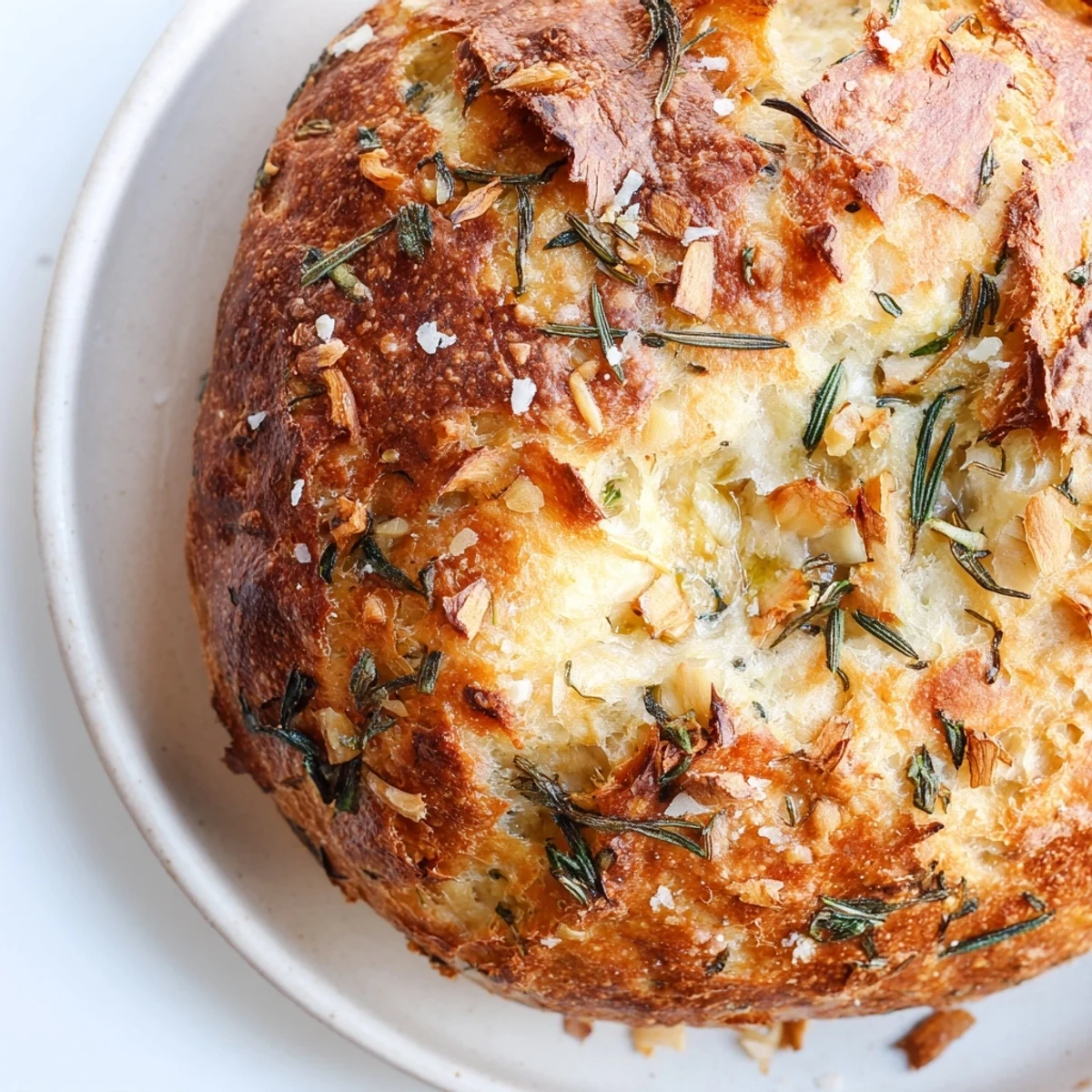
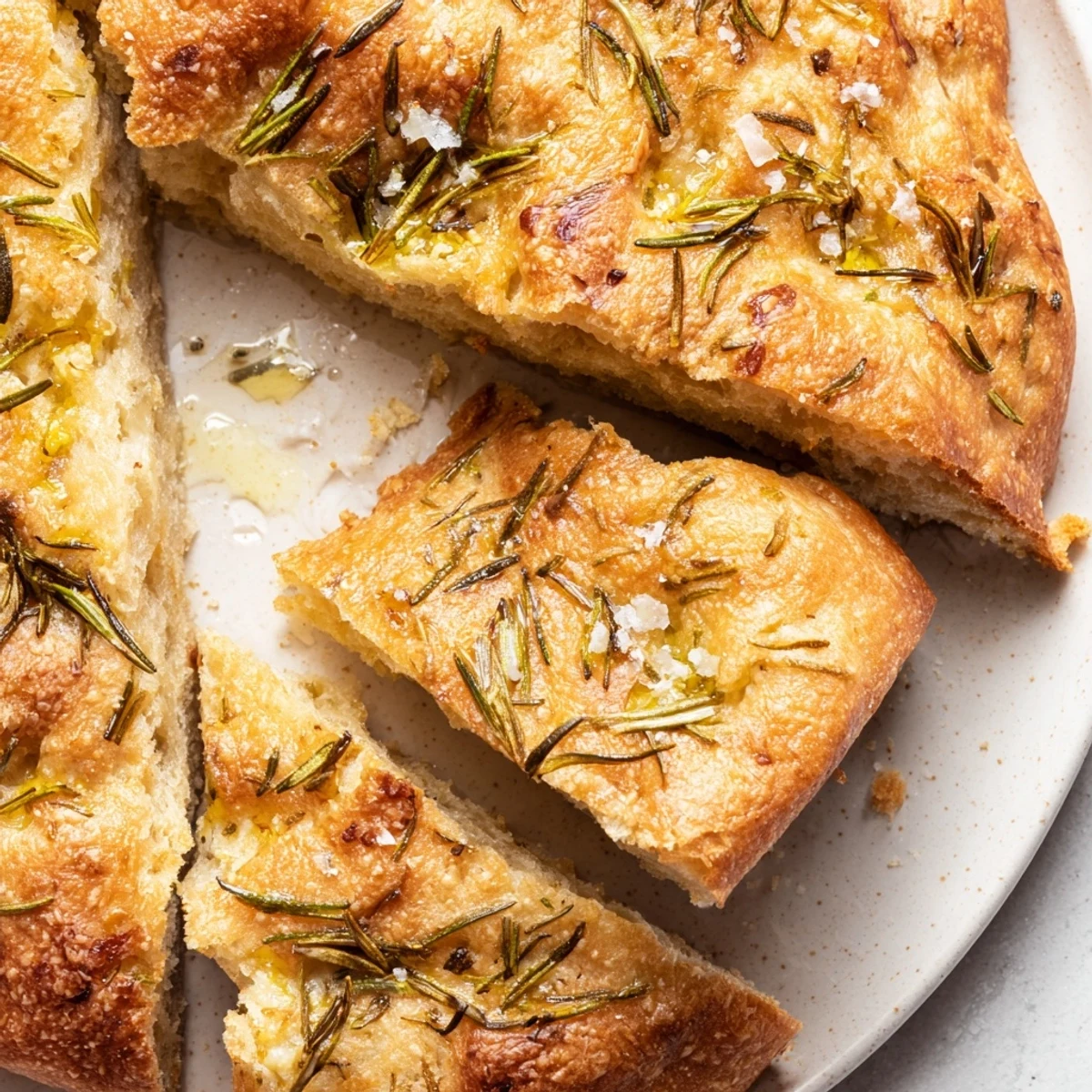
 This rustic skillet bread delivers irresistible aroma and texture with minimal effort. The dough combines bread flour, active yeast, and warm water, then gets enriched with chopped fresh rosemary and aromatic minced garlic. After rising, the bread bakes in a cast-iron skillet, creating those coveted crisp edges and a tender, chewy interior. A finishing sprinkle of flaky sea salt adds the perfect savory touch.
My tiny apartment kitchen smelled like an Italian bakery that first winter I attempted skillet bread. I had no proofing basket, no fancy oven tricks, just a well-seasoned cast iron skillet and a determination to make something that felt like comfort. The garlic hit the hot pan and I knew this was the kind of recipe that would become a weekly ritual.
Last summer I made six loaves for a backyard dinner party, pulling them straight from the skillet and onto the wooden board. Friends kept reaching for just one more slice, dragging it through puddles of olive oil and talking about their grandmothers bread. There is something deeply communal about breaking apart a warm loaf together.
Ingredients
- Bread flour (375 g): The higher protein content creates that satisfying chew and structure
- Active dry yeast (7 g): Make sure your water is warm but not hot, around 110°F works perfectly
- Warm water (300 ml): This activates the yeast and creates steam for a tender crumb
- Salt (1 1/2 tsp): Do not reduce this, it balances the garlic and keeps the dough structure intact
- Olive oil (3 tbsp total): Use a fruity extra virgin for the best flavor infusion
- Fresh rosemary (2 tbsp): Dried herbs work in a pinch but fresh is worth it here
- Garlic cloves (4): Roast them first for a sweeter, milder flavor
- Flaky sea salt (1/2 tsp): This creates those irresistible salty crunch pockets on top
Instructions
- Wake up the yeast:
- Whisk warm water and yeast in a large bowl, then wait patiently for foam to form on the surface
- Build the dough:
- Add flour and salt, mixing until shaggy, then knead for 5 to 7 minutes until smooth and slightly tacky
- Infuse with flavor:
- Drizzle in one tablespoon olive oil with chopped rosemary and minced garlic, kneading just until distributed
- First rise:
- Place dough in a greased bowl, cover with a damp towel, and let it double in size for about an hour
- Shape the loaf:
- Press the dough into a well-oiled 10-inch skillet, cover, and let it rise for another 25 to 30 minutes
- Heat things up:
- Preheat your oven to 425°F while the dough has its second rise
- Add the finishing touches:
- Brush the top generously with olive oil and scatter flaky salt across the surface
- Bake to golden:
- Cook for 30 to 35 minutes until deeply golden and the bottom sounds hollow when tapped
- Rest and serve:
- Let the bread cool in the skillet for 10 minutes before slicing and serving warm
 Pin It
 My mother-in-law asked for the recipe after Christmas dinner, carefully writing it down on the back of a napkin. Now she makes it every Sunday morning, the smell becoming part of their weekend routine. Food has this way of weaving itself into the fabric of our lives.
Getting The Rise Right
Temperature matters more than you might think. I learned this the hard way when a winter draft in my kitchen left me with a disappointingly flat loaf. Find the warmest corner, maybe near a preheating oven or a sunny window, and let the yeast do its work undisturbed.
Cast Iron Secrets
That heavy skillet does more than cook the bread, it creates an environment that mimics a professional bread oven. The heat retention and even distribution give you those professional-looking crackles and blisters on the crust. If you have one, use it.
Making It Your Own
The beauty of this bread is how it welcomes improvisation while remaining forgiving. I have made countless variations depending on what is in the garden or the back of the pantry.
- Caramelized onions add incredible sweetness and depth
- Try swapping rosemary for fresh thyme in the spring
- A handful of grated Parmesan mixed into the dough is never a mistake
 Pin It
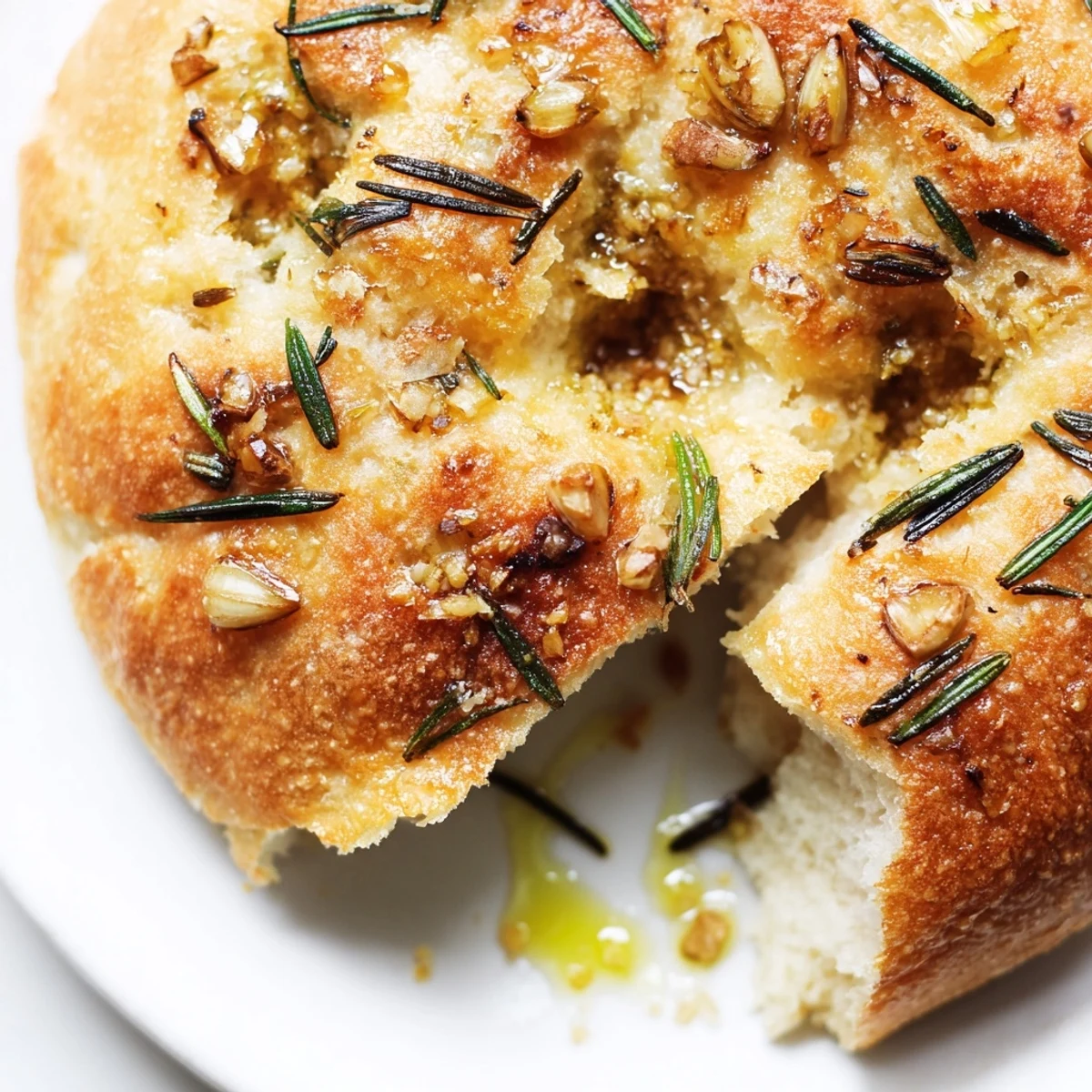
 Warm bread from the oven is one of life's simplest pleasures, guaranteed to make any meal feel special. Share it with people you love.
Common Questions
- → Can I use dried rosemary instead of fresh?
-
Yes, you can substitute dried rosemary, but use only one-third the amount since dried herbs are more concentrated. Fresh rosemary provides superior fragrance and texture to the finished loaf.
- → What if I don't have a cast-iron skillet?
-
Any oven-safe 10-inch skillet works well, including stainless steel or ceramic. The key is ensuring it can withstand high heat. A cake pan or round baking dish makes an acceptable alternative, though the crust may be less crisp.
- → How do I know when the bread is done baking?
-
The bread is ready when the top is golden brown and sounds hollow when tapped gently on the surface. An instant-read thermometer inserted into the center should read between 190-200°F (88-93°C).
- → Can I make this dough ahead of time?
-
Yes, you can refrigerate the dough after the first rise for up to 24 hours. Let it come to room temperature before pressing into the skillet and proceeding with the second rise and baking.
- → What's the best way to store leftovers?
-
Wrap cooled bread tightly in plastic or store in an airtight container at room temperature for up to 2 days. For longer storage, freeze slices in freezer bags and reheat in a 350°F oven for 5-10 minutes.