
 Pin It
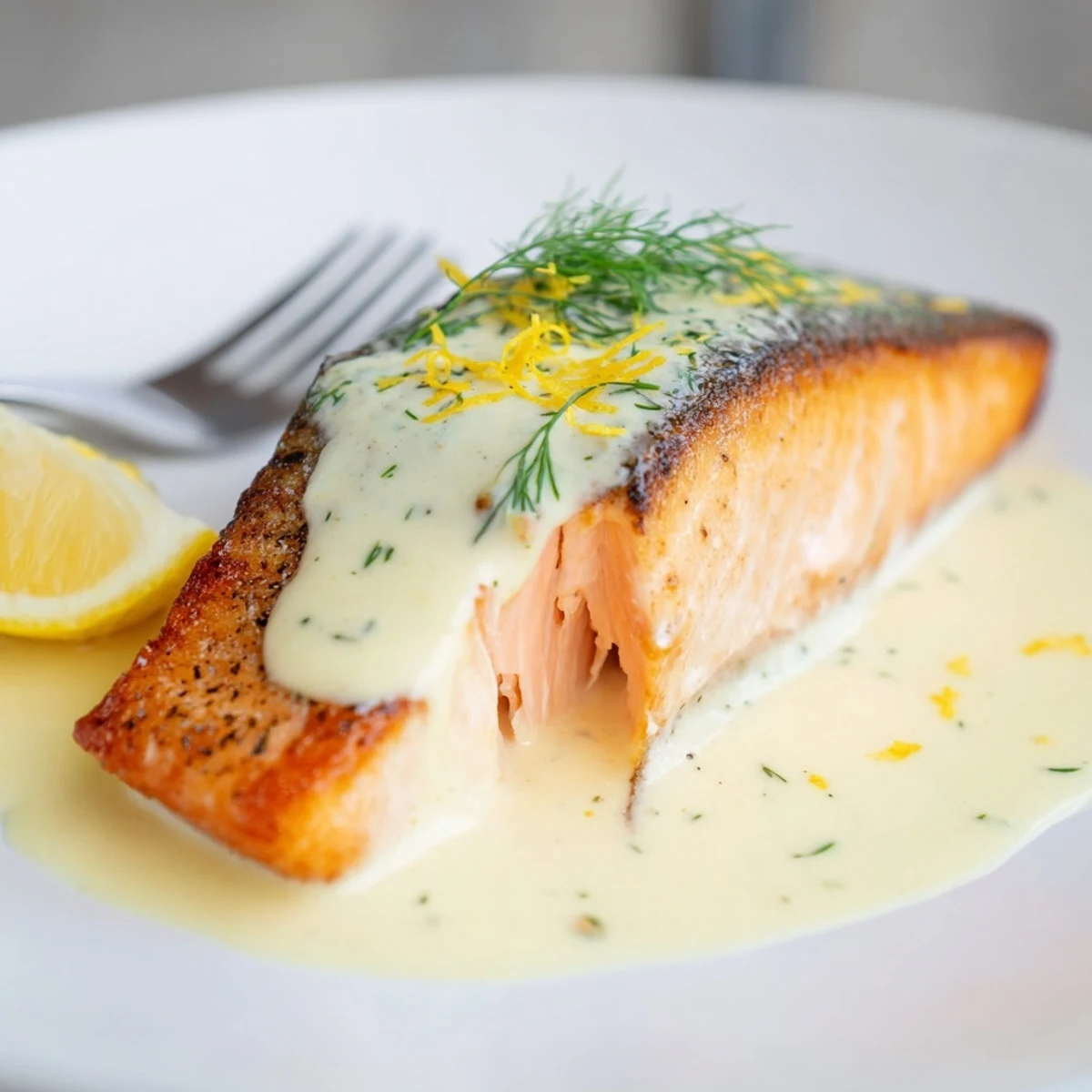
 Pan-sear seasoned salmon fillets until golden, then build a lemon-infused cream sauce in the same pan: sauté garlic in butter, deglaze with white wine or stock, stir in cream, lemon juice and zest, simmer to slightly thicken, fold in fresh dill and season. Return fillets to warm through and spoon sauce over. Serves four; total time ~30 minutes. Serve with steamed vegetables or roasted potatoes.
The sizzle of salmon hitting a hot pan is one of those sounds that instantly makes a kitchen feel alive, and on a rainy Tuesday evening last month, that sound saved an otherwise forgettable day. I had bought four beautiful fillets on impulse, the kind of grocery store purchase that feels extravagant until you realize dinner will be ready in thirty minutes. The lemon cream sauce was a last minute decision, born from half a lemon sitting on the counter and heavy cream that needed using. What landed on the plate was something far more elegant than a weeknight meal had any right to be.
My partner walked in just as I was swirling cream into the skillet and stopped mid sentence to inhale deeply over the stove. That particular mix of garlic butter and lemon steam curling through the kitchen is honestly better than any candle. We ended up eating standing at the counter, dipping torn bread into the extra sauce, and completely forgot about the salad I had planned.
Ingredients
- 4 skinless salmon fillets (6 oz each): Buy the freshest you can find, and let them sit out for ten minutes so they sear evenly instead of steaming.
- Salt and black pepper: Season both sides generously because the fish needs every bit of help it can get.
- Olive oil: A single tablespoon is all you need for a proper golden crust.
- Unsalted butter: This forms the backbone of the sauce, so use good quality butter if you have it.
- Garlic (2 cloves, minced): Finely minced so it melts into the sauce rather than clumping.
- Dry white wine (1/2 cup): Sauvignon Blanc or Pinot Grigio work beautifully, but fish stock works if you prefer to skip alcohol.
- Heavy cream (1/2 cup): This is what makes the sauce velvety, though half and half works in a pinch.
- Fresh lemon juice and zest: The zest is where the perfume lives, so do not skip it.
- Fresh dill or parsley: Dill is my first choice here because it has an affinity with both salmon and lemon that nothing else matches.
Instructions
- Dry and season the fish:
- Pat each fillet thoroughly with paper towels until the surface feels barely damp, then sprinkle salt and pepper over both sides with confident, even hands.
- Sear the salmon:
- Heat olive oil in a large nonstick skillet over medium high heat until it shimmers, then lay the fillets flesh side down and let them cook undisturbed for three to four minutes until a golden crust forms. Flip gently and cook the other side until the fish just barely flakes when pressed.
- Start the sauce base:
- Transfer the salmon to a warm plate and reduce the heat to medium. Drop the butter into the same pan, let it melt and foam, then stir in the garlic and watch it turn fragrant within about a minute.
- Build the sauce:
- Pour in the wine and use your spatula to scrape up every caramelized bit stuck to the pan because that is pure flavor. Let it bubble and reduce for two to three minutes until it looks slightly syrupy.
- Add cream and lemon:
- Stir in the heavy cream, lemon juice, and lemon zest, then let the sauce simmer gently for three to four minutes until it coats the back of a spoon. Keep the heat moderate so the cream does not break.
- Finish with herbs:
- Stir in the chopped dill and taste the sauce right then, adjusting salt and pepper until it makes you close your eyes.
- Bring it all together:
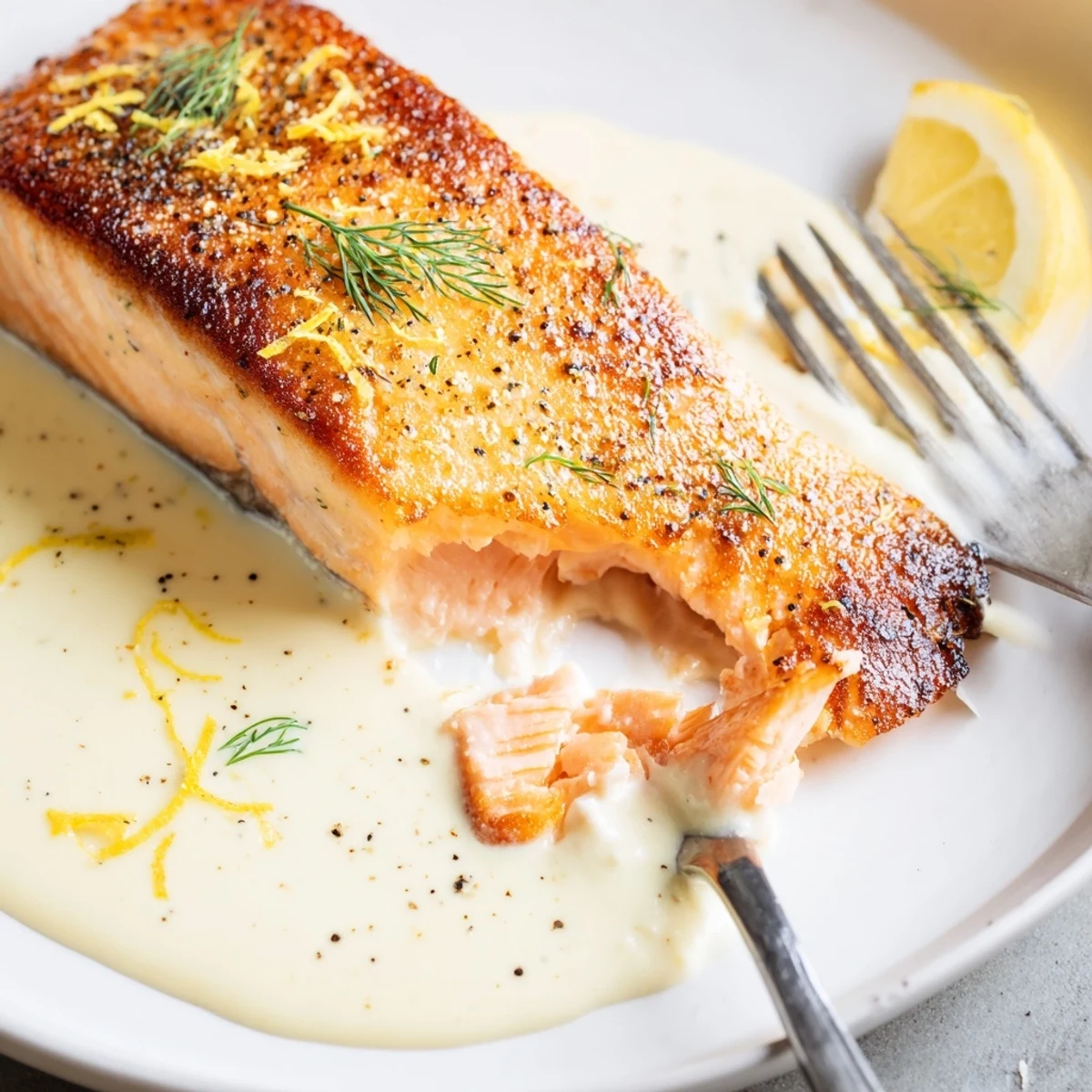
- Slide the salmon back into the pan and spoon the bubbling sauce over each fillet for a minute or two until everything is warmed through. Serve immediately with extra herbs and lemon wedges alongside.
 Pin It
 I have made this dish for date nights, for visiting parents, and once for a neighbor who brought over mail that was not even ours. Every single time, the reaction is the same: a long pause after the first bite followed by the quiet, happy kind of chewing that means nobody wants to stop eating long enough to compliment you.
What to Serve Alongside
Roasted baby potatoes with rosemary are my default side because they soak up the extra sauce beautifully. Steamed asparagus or green beans also work, especially when you toss them in a bit of the pan sauce. For something heartier, a bed of basmati rice or even mashed cauliflower lets you stretch every drop.
Making It Your Own
A teaspoon of Dijon mustard swirled into the sauce at the end adds a subtle tang that changes the whole character of the dish. Crisp capers scattered over the top bring a briny pop that contrasts the richness. If you are out of dill, tarragon is a surprising and wonderful substitute that leans even more French.
Storing and Reheating
Leftovers keep well in the fridge for up to two days, though the sauce will thicken considerably when cold. Reheat gently in a skillet over low heat with a splash of water or cream to loosen things back up. The fish is best the day you make it, but I have been known to flake cold leftovers over a salad the next afternoon and consider it a triumph.
- Store the salmon and sauce together in an airtight container so the fish stays moist.
- Avoid microwaving at full power because it will cook the salmon further and dry it out.
- The sauce does not freeze well due to the cream, so plan to enjoy it fresh.
 Pin It
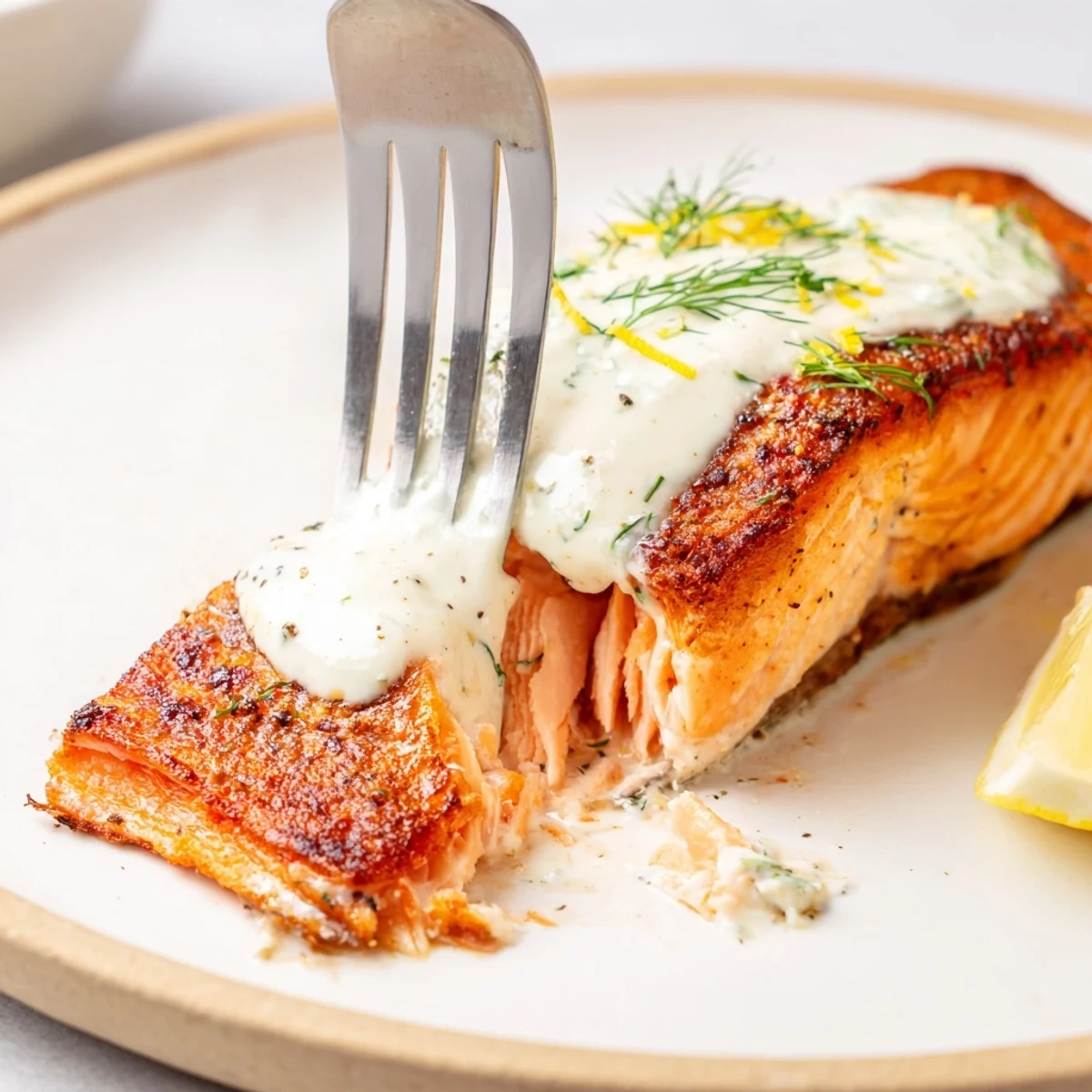
 This is the kind of recipe that makes you feel like a confident cook, even if you started the day unsure what was for dinner. Keep a lemon and some cream on hand, and you are never far from something wonderful.
Common Questions
- → Can I use frozen salmon?
-
Yes—thaw completely and pat dry before seasoning. Removing excess moisture helps achieve a golden sear rather than steaming the fillets.
- → How do I know when salmon is cooked?
-
Cook until the flesh flakes easily with a fork and is opaque through most of the fillet, about 3–4 minutes per side for 6 oz pieces. A slightly translucent center keeps the fish moist.
- → What can I substitute for heavy cream?
-
For a lighter finish, use half-and-half or a combination of crème fraîche and a little milk. Reduce gently to avoid curdling and adjust seasoning to taste.
- → Can I skip the wine?
-
Yes—use fish or vegetable stock in place of the dry white wine. The stock deglazes the pan and adds savory depth while keeping the sauce alcohol-free.
- → How do I prevent the sauce from separating?
-
Simmer the cream gently over medium heat and avoid boiling. Stir frequently and finish with the lemon juice and zest off the highest heat to keep the sauce smooth.
- → What herbs pair best with this dish?
-
Fresh dill is classic and bright; parsley is a good alternative. A small amount of chopped chives also complements the lemon and cream without overpowering the salmon.