
 Pin It
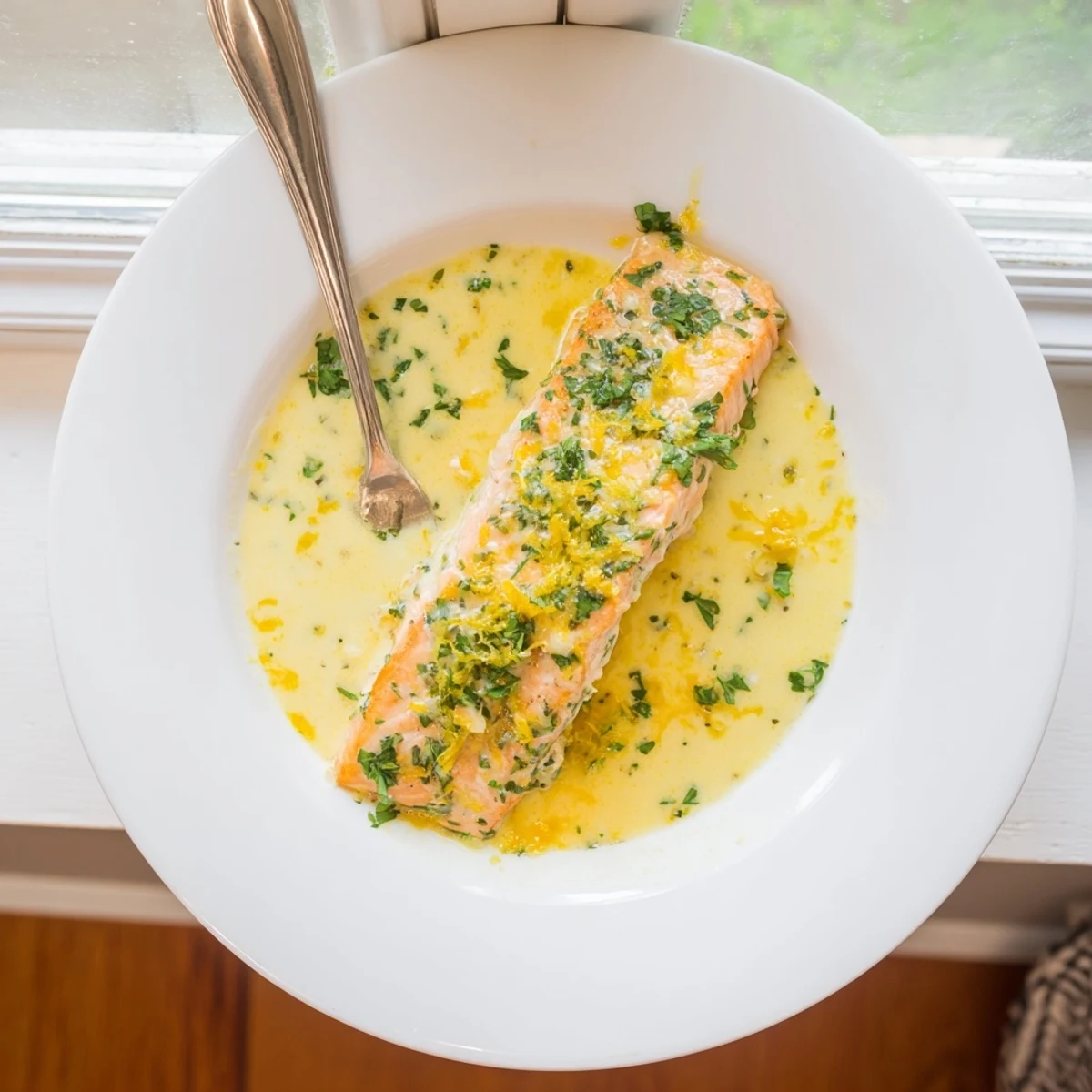
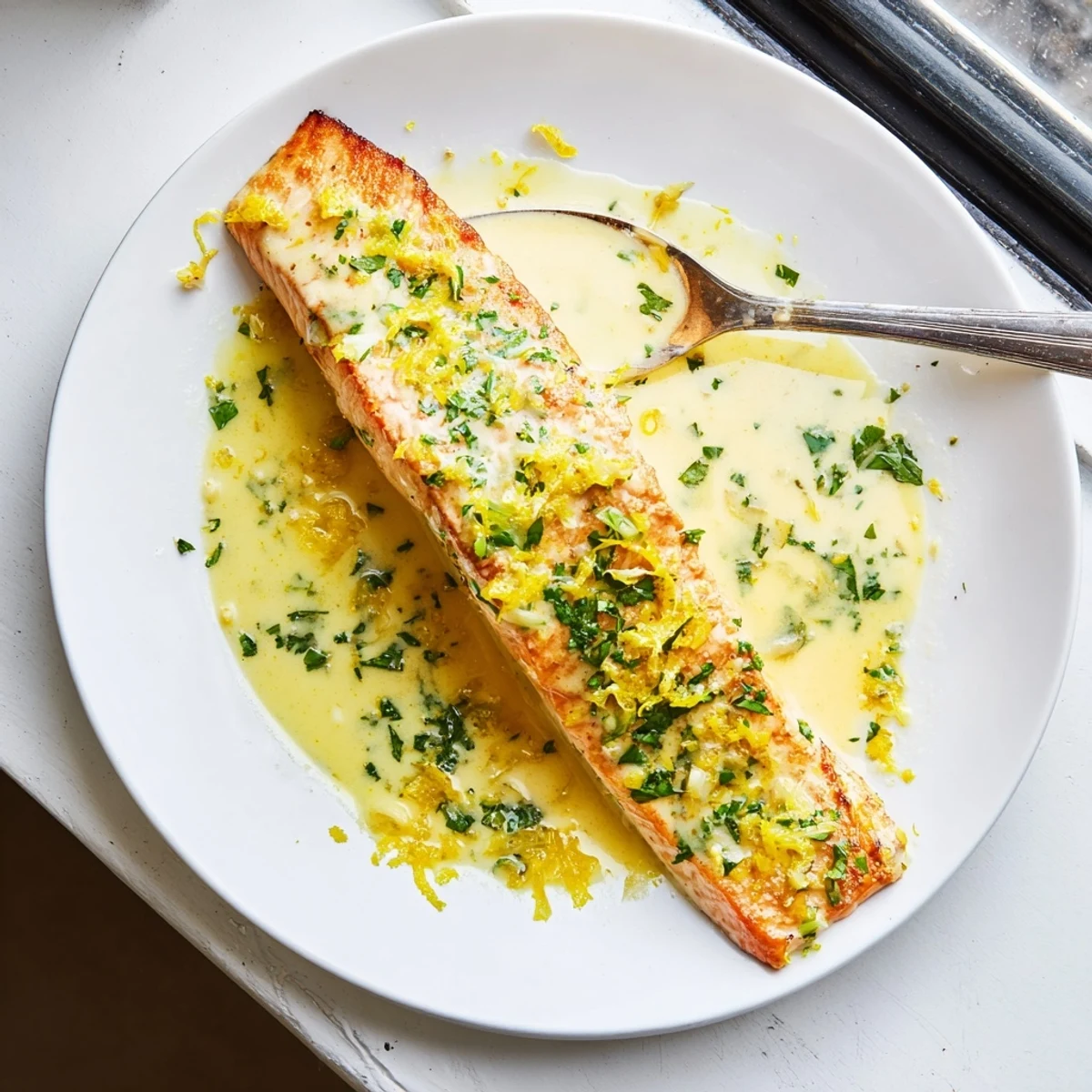
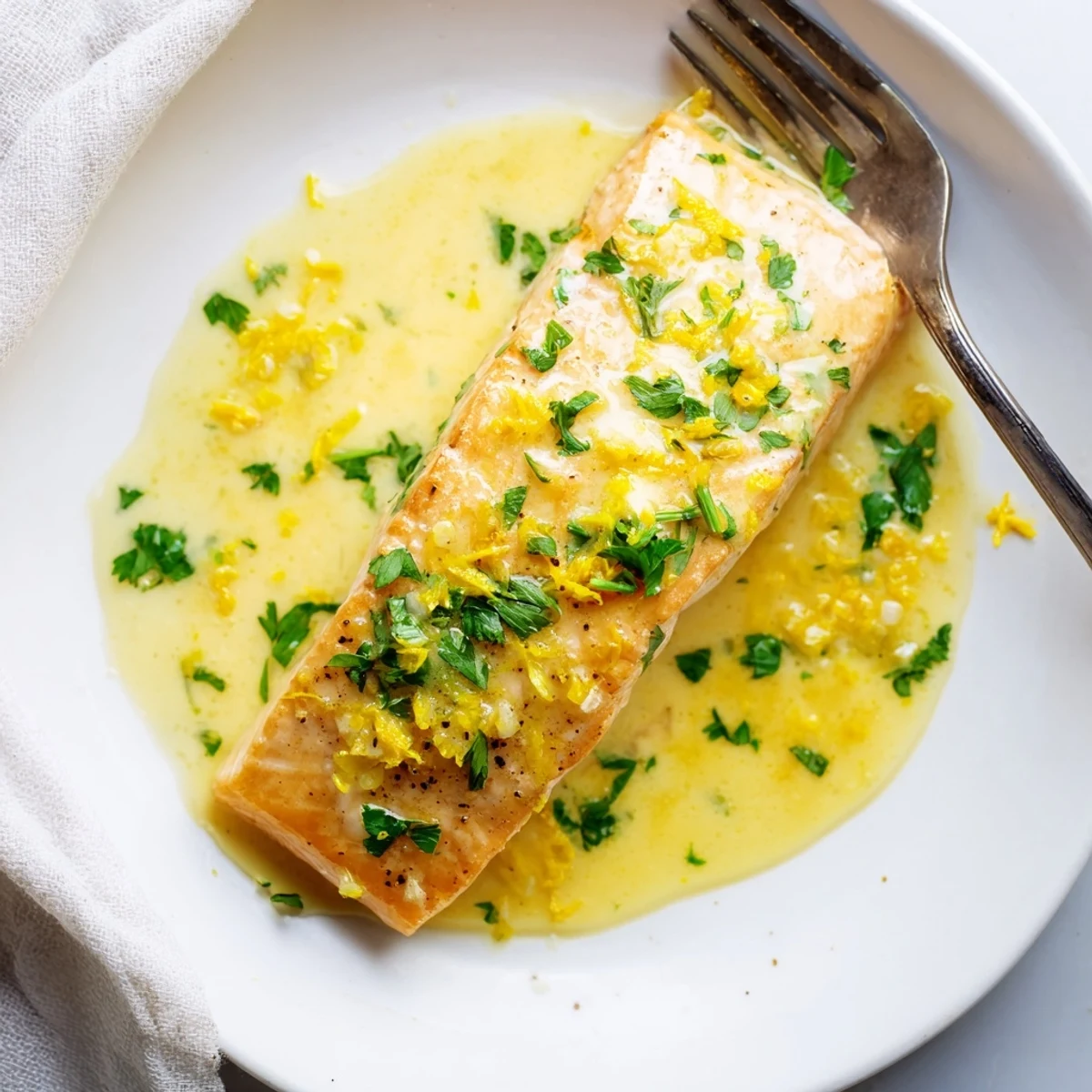
 Succulent salmon fillets achieve perfect golden sear before being enveloped in a vibrant lemon cream sauce. The heavy cream creates luxurious body while fresh lemon zest and juice provide bright acidity that cuts through the richness. Dijon mustard adds subtle depth and helps emulsify the sauce into silky perfection. Ready in just 30 minutes, this dish balances elegance with weeknight practicality, making it equally suitable for casual dinners or special occasions.
The sound of salmon hitting a hot skillet is one of those kitchen noises that instantly makes everyone in the house wander toward the kitchen. It is a confident sizzle, the kind that promises something golden and worth waiting for. I started making this lemon cream sauce on a rainy Tuesday when the fridge held nothing but cream, a lone lemon, and some salmon I had almost forgotten about. That accidental dinner turned into the meal my family now requests more than anything else I cook.
My friend Laura stopped by unexpectedly one evening right as I was finishing this dish, and she stood in the kitchen doorway just smelling the air before saying she was not leaving until she got a plate. We ended up eating standing at the counter, dipping bread into the extra sauce, laughing about how the best meals are never the ones you plan for hours.
Ingredients
- 4 skinless salmon fillets (about 170 g each): Try to buy fillets of similar thickness so they cook evenly without you having to fuss over each one individually.
- 2 tablespoons butter: Unsalted butter gives you control over the seasoning and makes the sauce taste impossibly silky.
- 2 cloves garlic minced: Fresh garlic is nonnegotiable here because the jarred stuff cannot compete with the way it blooms in hot butter.
- 1 cup heavy cream: This is the luxurious backbone of the sauce so do not skimp or substitute unless you want a thinner result.
- Zest of 1 lemon: The zest carries all the fragrant oils without the acidity and that is what makes the sauce taste bright instead of sour.
- 2 tablespoons fresh lemon juice: Roll the lemon on the counter before juicing to get every last drop of flavor.
- 1 teaspoon Dijon mustard: Just a small spoonful adds depth and a slight edge that makes people wonder what your secret is.
- 2 tablespoons fresh parsley chopped: Flat leaf parsley has more personality than curly and it brings a fresh finish to the rich sauce.
- Salt and freshly ground black pepper to taste: Season in layers throughout the cooking process rather than all at once at the end.
- 1 tablespoon olive oil for searing: Olive oil handles high heat well and adds a subtle fruitiness to the crust of the salmon.
Instructions
- Get the salmon ready:
- Pat each fillet thoroughly dry with paper towels and season both sides generously with salt and pepper because a dry surface is the only path to a proper golden sear.
- Sear the fillets:
- Heat the olive oil in a large nonstick skillet over medium high heat until it shimmers, then lay the salmon in carefully and let it cook undisturbed for 4 to 5 minutes per side until you see a beautiful crust forming, then remove and keep warm.
- Start the sauce:
- Reduce the heat to medium, melt the butter in the same skillet, and sauté the garlic for about a minute until your whole kitchen smells like a French bistro on a cold evening.
- Build the cream base:
- Pour in the heavy cream and bring it to a gentle simmer, then stir in the lemon zest, lemon juice, and Dijon mustard, letting it bubble softly for 3 to 4 minutes until it coats the back of a spoon.
- Finish with herbs:
- Stir in the chopped parsley and taste the sauce right now because this is your moment to adjust the salt and pepper before the salmon goes back in.
- Bring it all together:
- Return the salmon to the skillet and spoon the sauce lovingly over each fillet, letting everything simmer together for 2 to 3 minutes so the fish drinks in all that lemony cream.
- Serve immediately:
- Plate the salmon with plenty of sauce pooled underneath and scatter extra parsley or thin lemon slices on top if you want that restaurant worthy finish.
 Pin It
 I once made this for my mother on her birthday and she quietly put down her fork, looked at me, and said she would rather have this than any restaurant meal she could think of. That moment changed how I saw this dish forever because it stopped being a quick dinner and started being a gift I could give people.
How to Serve It Like You Mean It
Mashed potatoes are the obvious choice and for good reason because they soak up every drop of that lemon cream like a sponge with ambition. Steamed asparagus or green beans on the side add just enough green to make the plate feel complete without competing with the star. A chunk of crusty bread on the table is not optional in my house because fighting over the last bit of sauce with bread is half the joy of this meal.
What I Learned From Getting It Wrong
Early on I tried rushing the sauce by cranking the heat and ended up with a separated greasy mess that looked sad and tasted flat. I also once forgot to dry the salmon and watched helplessly as it steamed instead of seared, producing something pale and damp that nobody wanted seconds of. Those failures taught me that this recipe rewards patience and punishes shortcuts, which honestly makes it even more satisfying when you get it right.
A Few Last Things Before You Cook
Trust your instincts with the lemon because some lemons are wildly more potent than others and you want brightness not battery acid. The sauce will continue to thicken slightly as it sits so pull it from the heat just before you think it looks perfect. Beyond that, relax and enjoy the process because this dish is more forgiving than it seems as long as you keep your eyes on the heat.
- A splash of white wine deglazed into the pan before the cream adds a whole new layer of flavor.
- Leftover sauce reheated gently the next morning over scrambled eggs is a move you need to try at least once.
- Remember that cooking for people you love is always worth the few extra minutes it takes to do it right.
 Pin It
 This is the kind of recipe that turns an ordinary evening into something worth remembering, one lemony creamy bite at a time. Make it once and it will quietly become part of your regular rotation without asking permission.
Common Questions
- → What's the best way to tell when salmon is done?
-
Insert a fork into the thickest part and twist gently. The fish should flake easily and appear opaque throughout, with just a hint of translucency at the center. Internal temperature should reach 145°F for optimal safety and texture.
- → Can I use half-and-half instead of heavy cream?
-
Yes, though the sauce will be thinner and less rich. Simmer a few minutes longer to achieve desired consistency. The flavor remains excellent, though the luxurious mouthfeel characteristic of heavy cream will be lighter.
- → Should I remove the skin before cooking?
-
This recipe calls for skinless fillets. If using skin-on salmon, sear skin-side first for 3-4 minutes until crispy, then flip to finish. Remove skin before serving or plate it crispy-side up for added texture contrast.
- → What wine pairs well with this dish?
-
A crisp Sauvignon Blanc complements beautifully with its citrus notes. Pinot Grigio, Chablis, or dry Riesling also work wonderfully. The wine's acidity mirrors the lemon while cutting through the cream sauce.
- → Can I make the sauce ahead of time?
-
The sauce reheats well over gentle heat, though it's best freshly made. Store refrigerated up to 24 hours and reheat slowly, adding a splash of cream if needed to restore consistency. Make salmon fresh and combine at serving.
- → What sides complement this salmon?
-
Steamed asparagus, roasted green beans, or sautéed spinach balance the richness. Mashed potatoes, wild rice pilaf, or crusty bread soak up the creamy sauce. A simple arugula salad with vinaigrette adds refreshing contrast.