
 Pin It
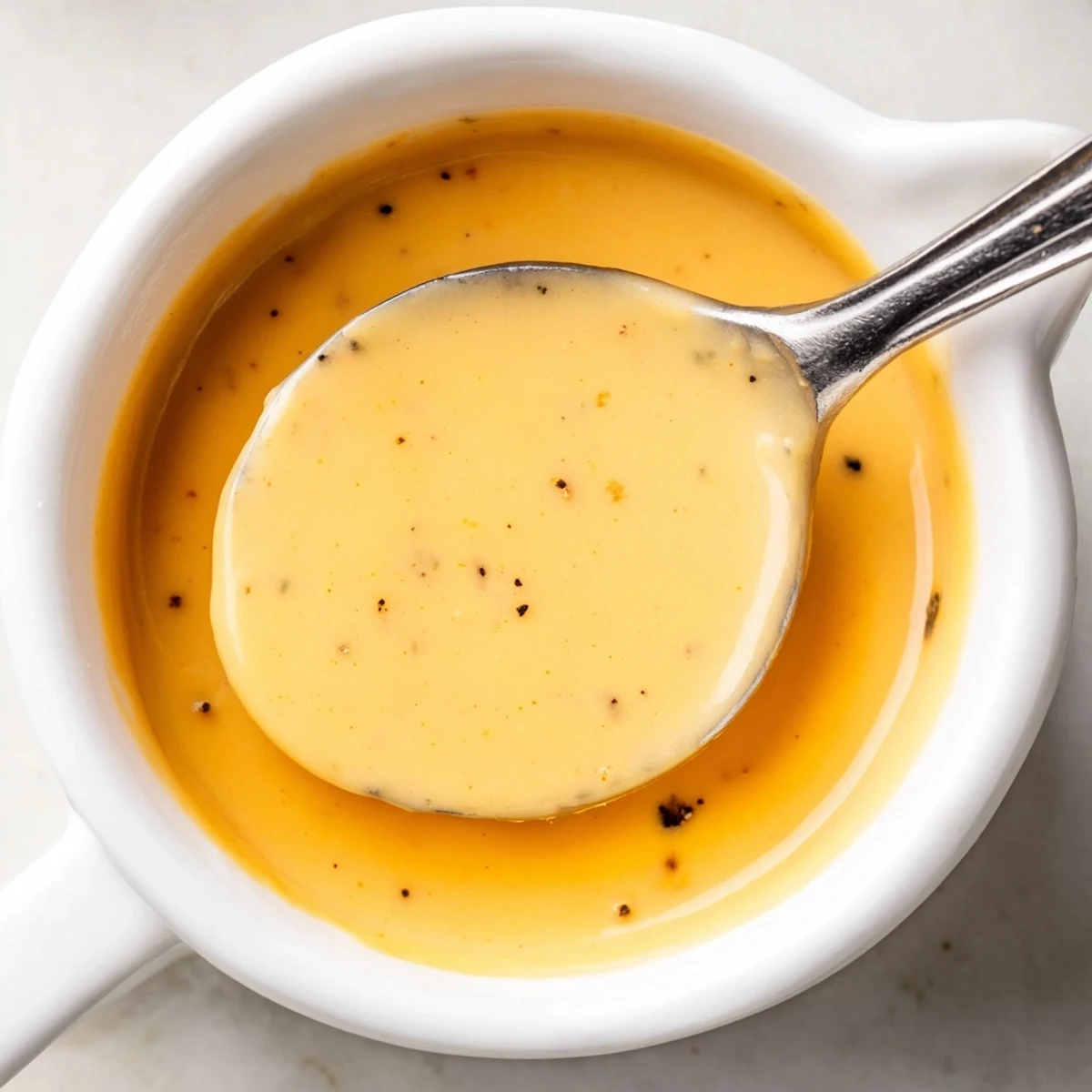
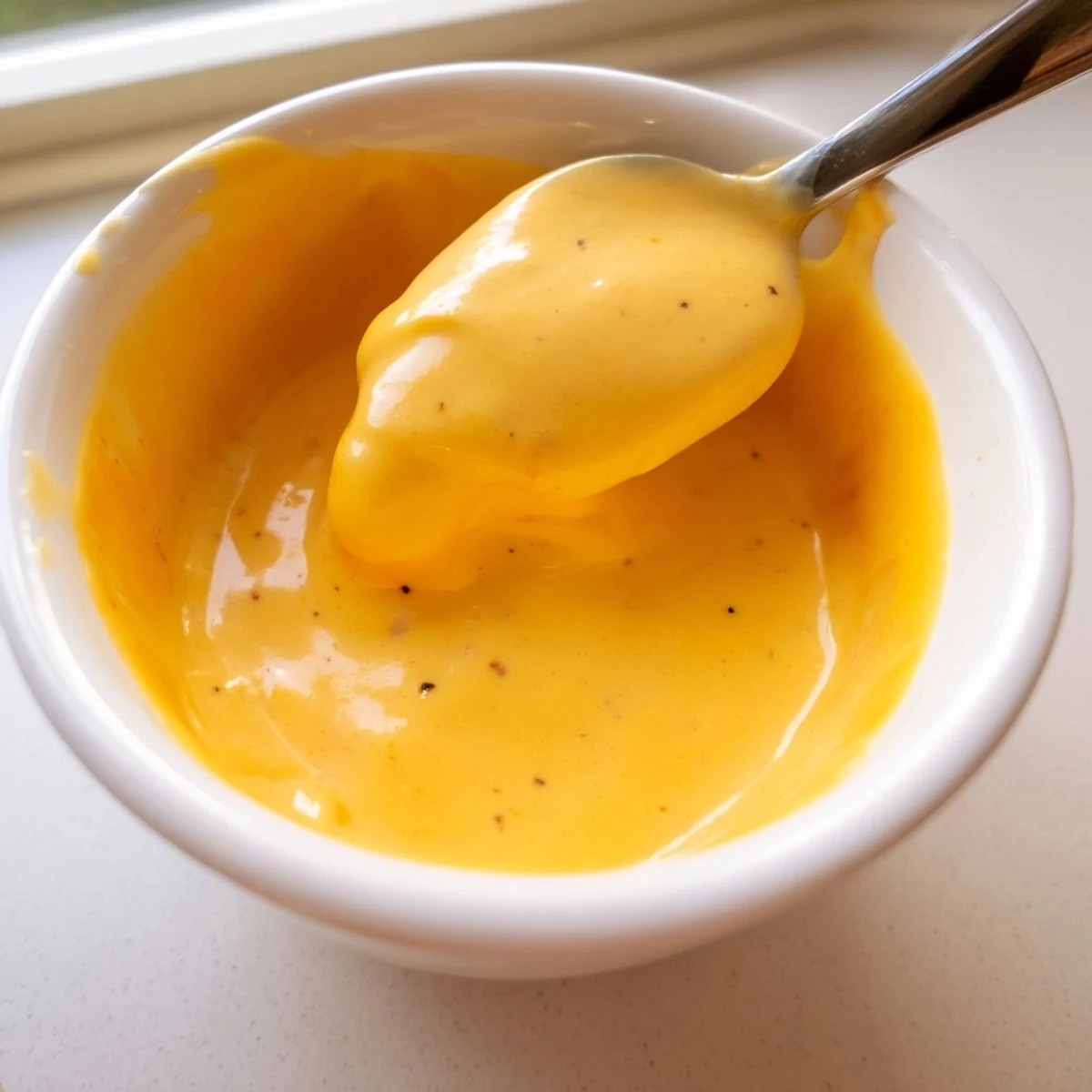
 This creamy cheddar sauce comes together in just 15 minutes, making it perfect for last-minute gatherings or weeknight dinners. The roux-based method ensures silky smooth texture every time, while Dijon mustard and hot sauce add that signature snappy flavor. Freshly grated cheese melts beautifully into the milk base, creating a velvety consistency that clings perfectly to everything from crispy nachos to steamed broccoli.
The first time I made cheese sauce, I was seventeen and trying to impress friends with homemade nachos. I dumped shredded cheese directly into warm milk and watched in horror as it turned into a separated, greasy mess. That night taught me that cheese sauce demands respect and patience.
Last winter my neighbor came over for a casual dinner, and I served roasted potatoes with this cheddar sauce. She cancelled her plans to stay for seconds, then texted me at 11pm asking if there was any left. Sometimes the simplest recipes become the ones people remember most.
Ingredients
- Sharp cheddar cheese: Freshly grated cheese melts into silky smooth sauce while pre-shredded varieties contain anti-caking agents that make sauce grainy
- Whole milk: Creates the creamy base that low-fat versions simply cannot achieve without sacrificing texture
- Unsalted butter: Forms the foundation of your roux and lets you control the final seasoning
- All-purpose flour: The essential thickener that transforms milk into velvety sauce
- Dijon mustard: Adds a subtle tang that enhances cheddars sharpness without tasting mustardy
- Hot sauce: Provides background warmth that makes the cheese flavor pop
- Garlic powder: Rounds out the sauce with savory depth
- Cayenne pepper: Optional heat for those who like their sauce with a kick
- Kosher salt and black pepper: Essential final seasonings that bring everything together
Instructions
- Build your base:
- Melt butter in a medium saucepan over medium heat, then whisk in flour constantly for one minute until it forms a smooth paste
- Create the béchamel:
- Gradually whisk in the milk, stirring frequently until the mixture thickens and just reaches a simmer
- Add the personality:
- Lower heat to low and stir in the Dijon mustard, hot sauce, garlic powder, cayenne, salt, and pepper
- Melt in the cheese:
- Add cheddar one handful at a time, whisking until completely smooth before adding more
- Taste and adjust:
- Once all cheese is incorporated and silky, taste the sauce and tweak seasonings as needed before serving
 Pin It
 This sauce became my go-to for everything from holiday vegetable platters to late-night nacho cravings. Theres something deeply satisfying about watching cheese transform into liquid gold right before your eyes.
Serving Ideas That Work
Pour this sauce over steamed broccoli for a vegetable even kids will actually eat. Drizzle it across baked potatoes or use it as a dip for pretzels and tortilla chips.
Make It Your Way
Substitute gouda or gruyère for a sophisticated twist on the original. Swap whole milk for half-and-half when you want something extra decadent for a special occasion.
Storage Success
Cooled sauce keeps in the refrigerator for up to five days, though it thickens considerably. Reheat gently with a splash of milk while whisking constantly to restore the silky texture.
- Cheese sauce reheats better than you might expect if you add liquid slowly
- Freezing works but can cause slight separation so whisk vigorously while reheating
- Make a double batch and portion it for quick weeknight meals
 Pin It
 Theres a reason cheese sauce has remained a comfort food classic for generations. Sometimes the simplest pleasures are the ones worth mastering.
Common Questions
- → Why does my sauce sometimes turn grainy?
-
Grainy texture usually occurs from using pre-shredded cheese containing anti-caking agents. Always grate your own cheese from a block for the smoothest results. Also, avoid overheating once the cheese is added—low and slow melting prevents separation.
- → Can I make this sauce ahead of time?
-
Yes! Store cooled sauce in an airtight container in the refrigerator for up to 3 days. Reheat gently over low heat, adding a splash of milk to restore consistency. The sauce may thicken when cold but smooths out beautifully when warmed.
- → What other cheeses work in this sauce?
-
Sharp cheddar provides the best flavor punch, but you can blend it with Gruyère for nuttiness, Monterey Jack for mildness, or Swiss for depth. Avoid very soft cheeses like Brie or fresh mozzarella as they don't melt smoothly into roux-based sauces.
- → How can I make this gluten-free?
-
Substitute the all-purpose flour with a 1:1 gluten-free flour blend or cornstarch. If using cornstarch, whisk 1 tablespoon with cold milk first to prevent lumps, then add to the hot butter. The texture will be slightly different but still delicious.
- → What's the best way to reheat leftover sauce?
-
Reheat in a saucepan over the lowest heat setting, stirring constantly. Add milk one tablespoon at a time until you reach the desired consistency. Avoid microwaving, which can cause uneven heating and separation. A double boiler also works wonderfully for gentle reheating.
- → Can I freeze this cheese sauce?
-
Freezing isn't recommended as dairy-based sauces can separate when thawed. The texture often becomes grainy and oily. Instead, make smaller batches fresh, or store in the refrigerator for up to 3 days and reheat as needed for best results.