
 Pin It
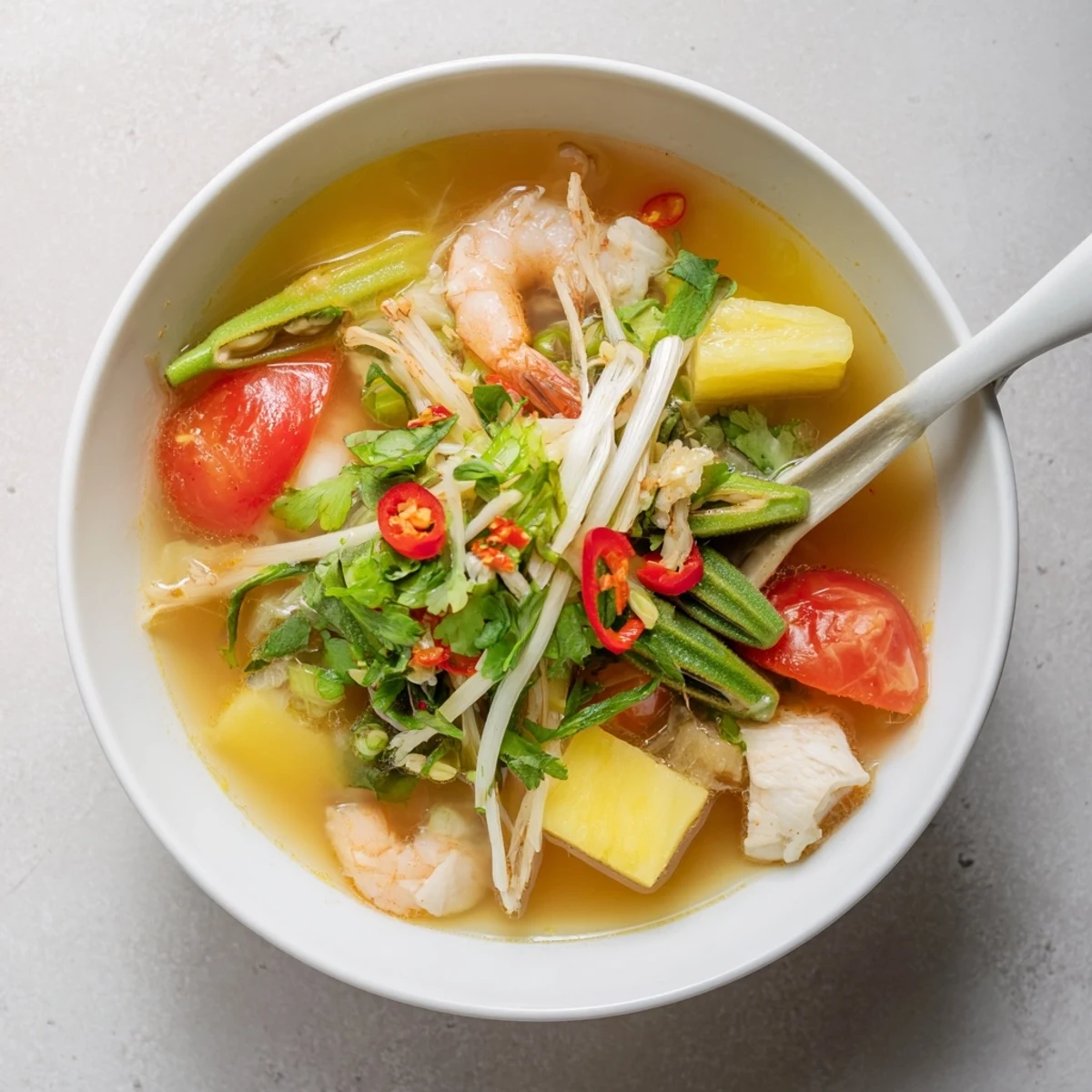
 This classic Vietnamese soup combines tender white fish and shrimp with sweet pineapple and fresh vegetables in a fragrant tamarind-based broth. The balance of tangy, savory, and slightly sweet flavors creates a comforting bowl that's perfect with steamed rice.
Ready in just 40 minutes, this soup features layers of aromatics including lemongrass, garlic, and fresh herbs like cilantro and Thai basil. The tamarind paste provides the signature sour note while sugar balances it perfectly.
The first time I had Canh Chua was at my friend Linh's house in Saigon during a humid afternoon. Her grandmother stood over a steaming pot, adding ingredients with such confidence while the kitchen filled with this incredible aroma that made my mouth water instantly. That bowl of soup was like sunshine in liquid form, tangy and sweet with tender fish that practically melted. I've been chasing that memory ever since, and now this soup has become my go-to when I need something that comforts and wakes up my taste buds simultaneously.
Last summer, my partner came home from work completely drained, the kind of tired that makes deciding what to eat feel impossible. I had some leftover fish and a dying pineapple on the counter, so I threw this soup together somewhat desperately. Watching their face light up with that first spoonful, the way they kept saying 'this is exactly what I needed' that was when I knew this recipe was a keeper for more than just its flavors.
Ingredients
- White fish fillets: I've used catfish, tilapia, and snapper successfully, but any mild white fish that holds its shape works beautifully here
- Shrimp: Completely optional but adds that lovely sweetness and another layer of texture, though the soup sings just as well without it
- Pineapple: Fresh is non-negotiable for that natural sweetness and bright acidity, canned just doesn't capture the same vibrant spirit
- Tomatoes: They break down into the broth creating that gorgeous reddish hue and adding depth to the sour notes
- Bean sprouts: Add these at the very end so they stay crunchy, providing that refreshing contrast to the tender fish
- Okra: Totally optional but if you can find it, it naturally thickens the broth slightly and adds this lovely silky texture
- Lemongrass: Bruise it well with the back of your knife to release those citrusy oils, then let it infuse the broth before removing
- Tamarind paste: The soul of this soup, bringing that authentic sour punch that vinegar just can't replicate
- Fresh herbs: Don't skimp here, the combination of cilantro, Thai basil, and sawtooth herb is what makes this distinctly Vietnamese
Instructions
- Build your flavor foundation:
- Heat that oil in your largest pot over medium heat, then sauté the garlic and onions until they're translucent and your kitchen starts smelling amazing
- Infuse the aromatics:
- Add the lemongrass and tomatoes, cooking for a few minutes until the tomatoes start breaking down and releasing their juices
- Create your soup base:
- Pour in your water or stock, bring everything to a gentle bubble, then stir in the tamarind paste and sugar letting it meld together for about three minutes
- Add the hearty vegetables:
- Toss in the pineapple, celery, and okra if using, giving them about five minutes to soften while they perfume the broth
- Cook the seafood gently:
- Lower the heat slightly and add your fish and shrimp, letting them simmer just until cooked through and skimming off any foam that rises to the top
- Balance your flavors:
- Season with fish sauce, salt, and pepper, then taste and adjust your tamarind and sugar until you hit that perfect sweet-sour harmony
- Finish with fresh elements:
- Stir in the bean sprouts, herbs, spring onions, and chilies, simmering for just a minute or two more before taking it off the heat
- Serve immediately:
- Ladle into bowls while piping hot, garnishing generously with extra herbs because they're not just decoration, they're essential
 Pin It
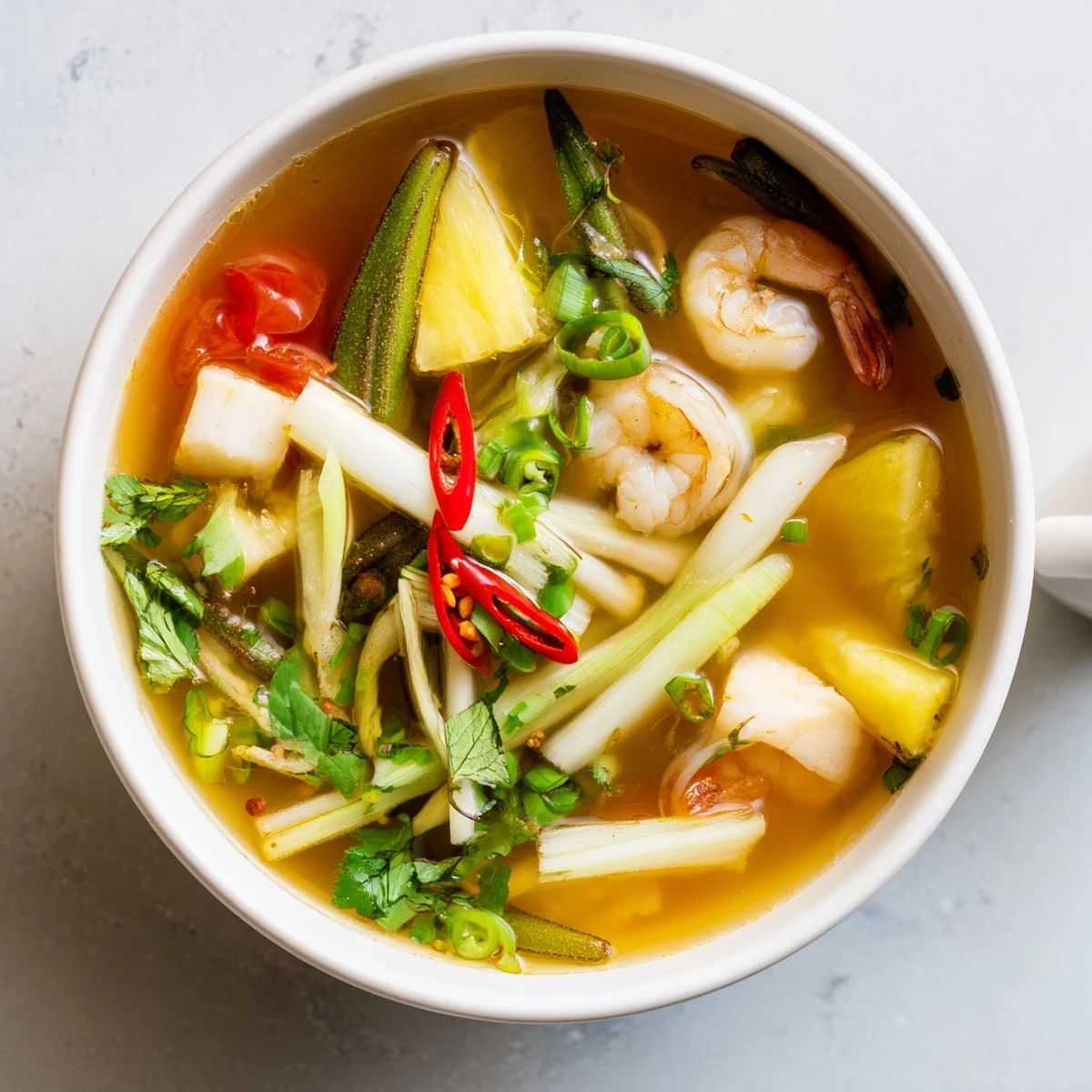
 My mother-in-law, who's normally skeptical of anything too sour or fishy, went back for thirds when I made this for Christmas dinner last year. Watching her carefully copy the recipe into her little notebook was a quiet victory I still think about whenever I make this soup now.
Making It Your Own
I've learned that Canh Chua is incredibly forgiving once you understand its soul. Sometimes I'll add elephant ear stems if I can find them at the Asian market, giving the soup that authentic texture Vietnamese home cooks prize. Other times I'll use whatever fish is on sale, and the soup always manages to taste like itself. The real secret is confidence with your tamarind adjustment and not being afraid of herbs.
Serving Suggestions
A steaming bowl of jasmine rice is non-negotiable in my house, soaking up that incredible broth like nothing else. Sometimes I'll make a simple garlic and cucumber salad on the side to cool the palate between spoonfuls. If I'm feeling fancy, I'll fry up some crispy garlic chips as a garnish, adding this lovely crunch that plays beautifully against the tender fish.
Troubleshooting Common Issues
If your soup turns out too sour, don't panic, a little more sugar usually brings everything back into balance. Conversely, if it's too sweet, a splash more fish sauce and tamarind will fix it right up. For broths that feel thin, letting it simmer a bit longer without the fish helps the vegetables break down and naturally thicken the liquid.
- Make a double batch because this soup reheats beautifully and the flavors often taste even better the next day
- Freeze portions without the herbs and bean sprouts, adding them fresh when you reheat
- Keep extra tamarind paste on hand, it's become my secret ingredient for adding brightness to all sorts of soups
 Pin It
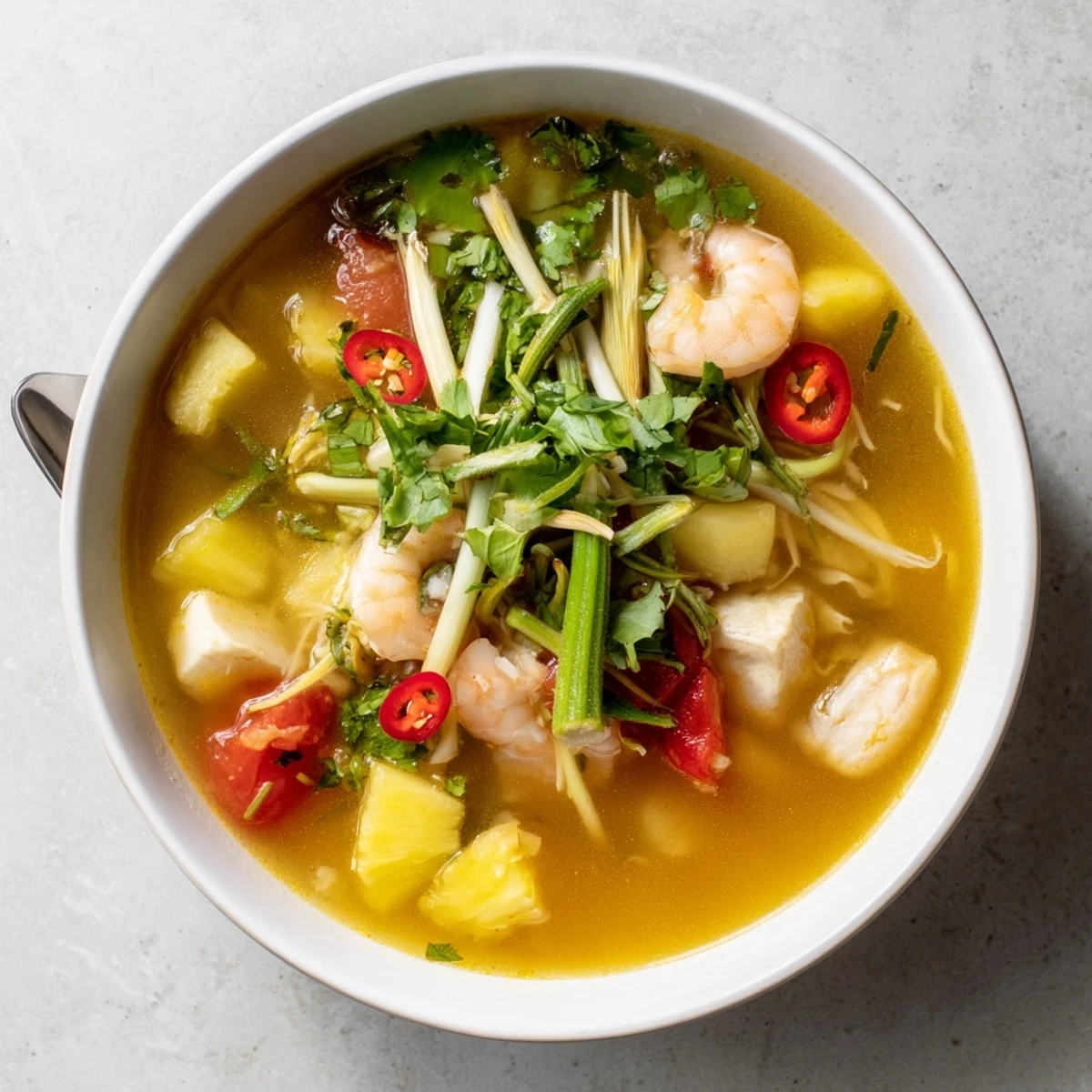
 There's something profoundly satisfying about a soup that manages to wake up your taste buds while simultaneously comforting them. This recipe has traveled with me from that humid kitchen in Saigon to my own home, becoming a reliable friend whenever I need to feed people something that feels like love in a bowl.
Common Questions
- → What makes Canh Chua sour?
-
The sourness comes primarily from tamarind paste, which provides a deep, complex tartness. Fresh lime juice can be used as a substitute if tamarind isn't available.
- → Can I make Canh Chua vegetarian?
-
Yes, simply replace the fish and shrimp with firm tofu cubes and use vegetable stock instead of fish stock or water. Omit the fish sauce and substitute with soy sauce or salt for seasoning.
- → What fish works best in this soup?
-
White fish fillets like catfish, tilapia, snapper, or sea bass work well because they hold their shape during simmering. Avoid delicate fish that might flake apart too easily.
- → Is this soup spicy?
-
The soup itself is not traditionally very spicy. The heat comes from bird's eye chilies, which you can adjust to taste or omit entirely for a mild version.
- → What should I serve with Canh Chua?
-
Steamed jasmine rice is the traditional accompaniment. The soup is typically ladled over rice or served alongside it. It also pairs well with crusty bread for soaking up the flavorful broth.